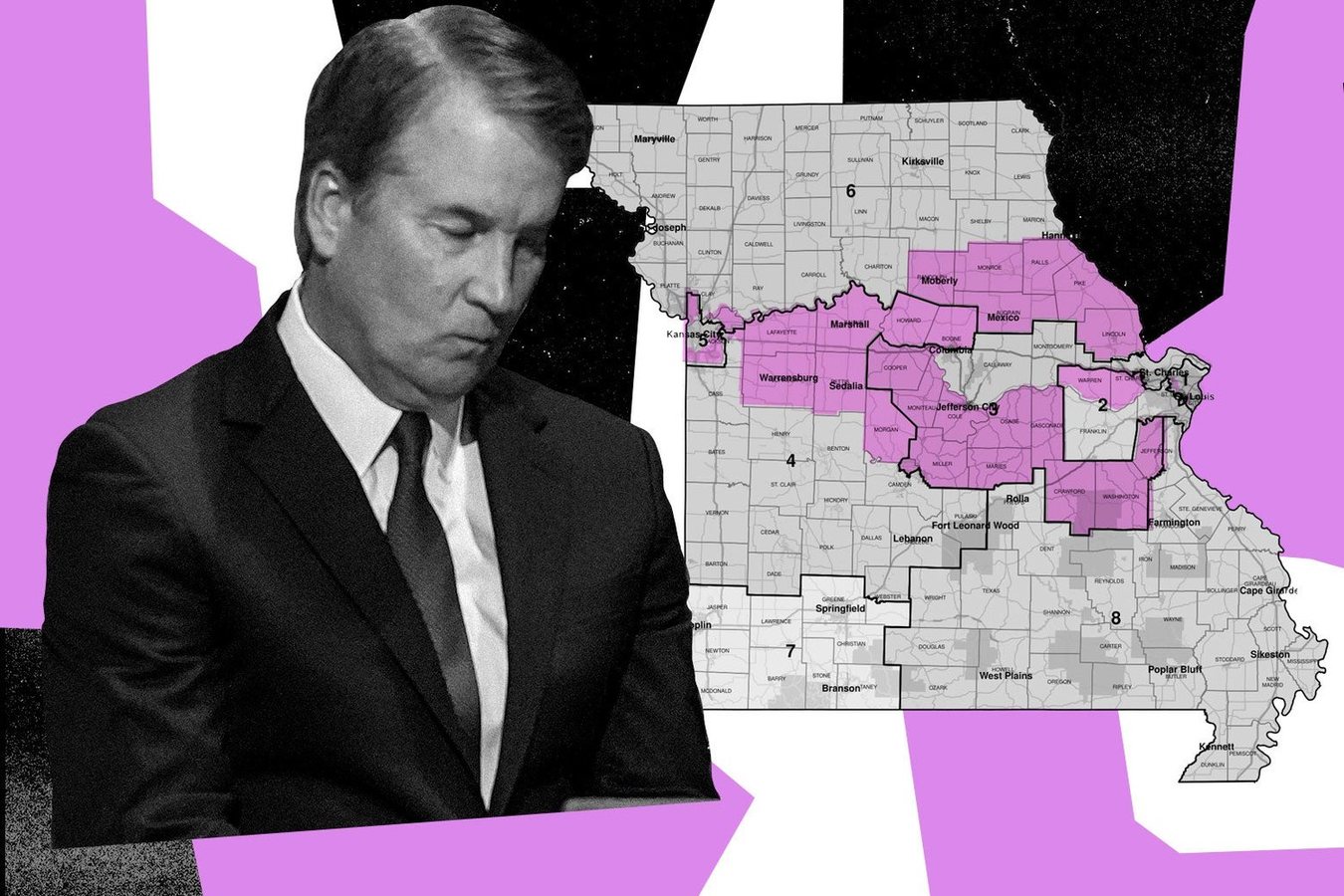
A Republican effort to bring a new congressional map into force in Missouri has returned to the US Supreme Court for a third time, setting up a fresh confrontation over redistricting ahead of the midterm elections. The dispute centres on whether the state may use a map that is expected to benefit Republican candidates, even as legal challenges to it continue.
The case has drawn attention because it tests how far lower courts can go in resisting or reinterpreting earlier instructions from the country's highest court. The Supreme Court had already intervened in the dispute more than once, and the return of the matter to its docket suggests that the justices' previous guidance has not settled the fight on the ground.
At issue is a congressional map that Republican officials in Missouri want to use for the coming elections. According to the legal challenge, the map is designed to tilt the playing field in favour of the Republican Party. Opponents argue that using it while litigation is unresolved would allow an advantage to be locked in before the courts have finished assessing its lawfulness.
The case has been described as an example of Republican-appointed judges defying the Supreme Court in an attempt to boost the party's prospects in the midterms. That framing reflects a broader concern among critics: that lower-court judges are not simply applying the justices' rulings but are actively working to produce an electoral outcome favourable to one party.
Missouri's redistricting fight has now reached the Supreme Court three times, a sign of how quickly the legal ground has shifted and how little agreement exists between the state and those challenging the map. Each return to the high court has raised the stakes, because the calendar is tightening and any delay affects which map voters will actually see when they cast their ballots.
The dispute is part of a wider national battle over congressional boundaries. Redistricting happens after each census, and the maps drawn by state legislatures can determine how many seats each party is likely to win. When those maps are challenged in court, the resulting litigation can run for months or years, leaving voters and candidates uncertain about the districts they will contest.
In Missouri, the practical question is whether the new map can be used while the legal process continues. Supporters of the map argue that the state should be allowed to proceed, while opponents say that doing so would pre-empt the courts and could irreparably change the composition of the state's congressional delegation.
The Supreme Court's earlier interventions in the case have not produced a final resolution. Instead, the matter has bounced back to the justices, who must now decide how to respond to the latest developments. Their choice could clarify how much latitude lower courts have in redistricting cases, and it could also affect the timing of elections in Missouri.
With the midterms approaching, the outcome carries national implications. Control of the House of Representatives may depend on a small number of seats, and any map that shifts the partisan balance in one state can have consequences far beyond its borders. That is why both parties are watching the Missouri case closely.
For now, the dispute remains unresolved, and the Supreme Court is again being asked to step in. The next ruling will determine whether the new map takes effect, whether the lower courts must reconsider their approach, and how the fight over Missouri's congressional districts will shape the midterm landscape.