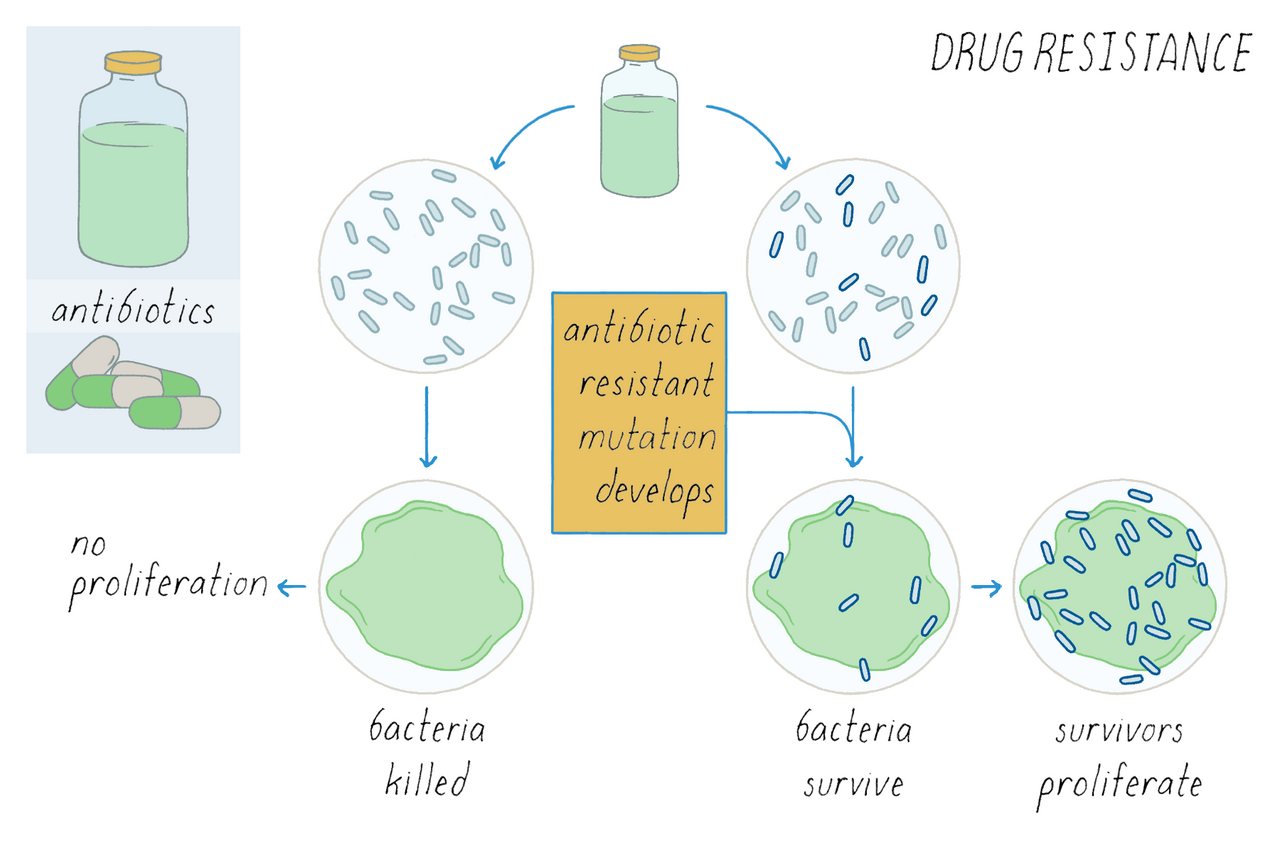
An experimental drug called CS18 may offer a new way to overcome one of the most stubborn problems in cancer treatment: tumors that stop responding to therapy. According to early research, the compound works by disabling several of the defenses that tumors use to survive treatment, rather than attacking cancer cells through a single mechanism.
In laboratory tests, CS18 strengthened existing cancer therapies and restored drug sensitivity in lung cancer cells that had become resistant to treatment. The drug also slowed tumor growth in animal models, suggesting that its ability to undermine multiple resistance pathways may translate into a measurable clinical effect.
Drug resistance remains a major obstacle in oncology. Tumors can adapt to treatment through a variety of mechanisms, including pumping drugs out of cells, activating alternative survival signals, or repairing the damage that therapy is meant to inflict. Because these defenses often overlap, blocking just one pathway frequently fails to restore a tumor's sensitivity to medication. CS18 appears designed to address that challenge by targeting several defenses at once.
The research focused on lung cancer, a disease where resistance to targeted therapies and conventional treatments is a persistent clinical problem. In resistant lung cancer cells, CS18 restored sensitivity to existing drugs, meaning the cancer cells responded to treatment they had previously withstood. When combined with those therapies, the experimental compound produced stronger effects than the treatments alone.
Animal studies added further evidence. In models of cancer, CS18 slowed tumor growth, a key early indicator that the drug's multi-target approach could have therapeutic potential beyond the laboratory dish. The findings position CS18 as a potential adjunct to current cancer treatments rather than a standalone replacement.
The research remains at an early stage. Results from cell cultures and animal models do not guarantee that a drug will be safe or effective in humans. Clinical trials would be needed to determine whether CS18 can be administered safely to patients, what dose is appropriate, and whether it produces meaningful benefits in people whose cancers have stopped responding to standard care.
Still, the concept behind the drug is drawing attention because it tackles resistance as a system of defenses rather than a single molecular target. If the approach holds up in human testing, it could inform the development of a broader class of compounds intended to make existing cancer therapies work for longer periods.
The research also underscores a wider trend in cancer drug development: combining treatments that attack tumors through different mechanisms. By weakening the tumor's ability to survive treatment, drugs like CS18 could extend the usefulness of therapies that are already approved and widely used.
For patients with drug-resistant cancers, the need for new options is urgent. Resistance can emerge months or years after an initial response, leaving physicians with fewer choices and patients facing poorer outcomes. A treatment that restores sensitivity to existing drugs could potentially delay the need for more toxic or less effective alternatives.
Scientists involved in the work emphasize that the findings are preliminary. Further studies will be required to understand exactly how CS18 disables tumor defenses, whether resistance to the drug itself could develop, and how it interacts with the immune system and normal tissues. Those questions are standard parts of the long path from laboratory discovery to approved medicine.
Even so, the results add to a growing body of evidence that targeting the survival strategies of tumors, rather than only their growth signals, may be a productive strategy. CS18's ability to restore drug sensitivity in resistant lung cancer cells and slow tumor growth in animals provides an early proof of concept for that idea.
If subsequent research confirms the approach, CS18 could become part of a new generation of treatments designed to break cancer's resistance to therapy, offering patients a way to regain the benefits of drugs that had stopped working.