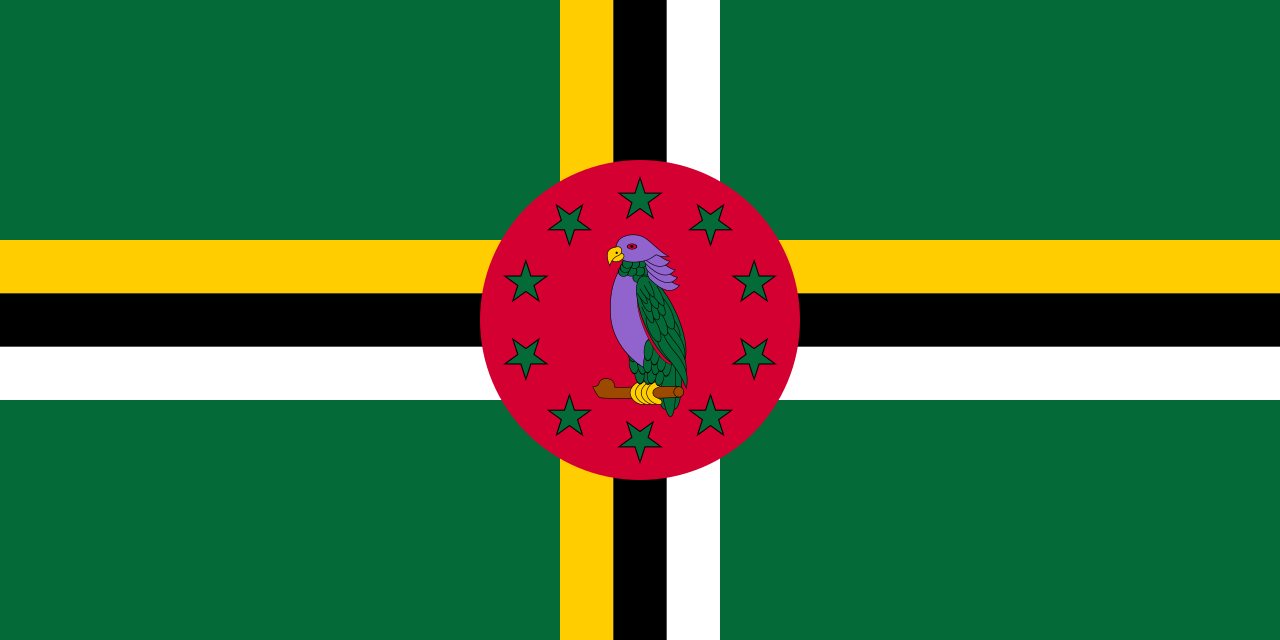
A commentary published this week warns that a corrosive pattern of pessimism and disunity is taking hold in Dominica's national conversation, threatening the country's reputation and its ability to move forward together. The piece, carried by a local news outlet, argues that constant criticism of the island and its institutions is not constructive patriotism but a habit that undermines national confidence.
The author points to what is described as a quiet but damaging trend in public discourse, in which Dominicans at home and abroad routinely talk down the country's achievements and amplify its problems. According to the commentary, this politics of pessimism carries a real price: it discourages investment, weakens social cohesion and hands ammunition to those who would dismiss the Nature Isle's potential.
At the centre of the argument is a call for unity. The commentary contends that political divisions, particularly when they spill into personal attacks and blanket condemnation of national efforts, prevent the country from addressing the challenges it faces. It suggests that disagreement is healthy in a democracy, but that disunity for its own sake erodes the foundation on which progress is built.
The piece does not single out any individual or party, instead framing the issue as a collective habit that citizens, leaders and the diaspora all have a role in correcting. It urges a shift towards more balanced and fact-based discussion, where problems are acknowledged but solutions and successes are also recognised.
While the commentary acknowledges that Dominica, like any small island state, faces genuine difficulties — from economic pressures to the ever-present threat of natural disasters — it insists that these are best met with a shared sense of purpose rather than a spiral of negativity. The author appeals to national pride and the values that have historically carried Dominicans through hard times.
The publication of the commentary comes amid ongoing public debate about the direction of the country and the tone of its politics. It reflects a broader concern in some quarters that the national conversation has become increasingly polarised, with social media and partisan commentary often drowning out measured discussion.
For a small island community where reputation matters in tourism, investment and international relations, the warning carries particular weight. The commentary suggests that how Dominicans speak about their own country — at home and in the diaspora — shapes how the rest of the world sees it, and ultimately affects the opportunities available to the next generation.
The author closes with an appeal for responsibility, urging readers to stop trashing Dominica and instead engage in the harder work of building it. The message is clear: unity is not a slogan but a practical necessity for a nation of Dominica's size and ambition.