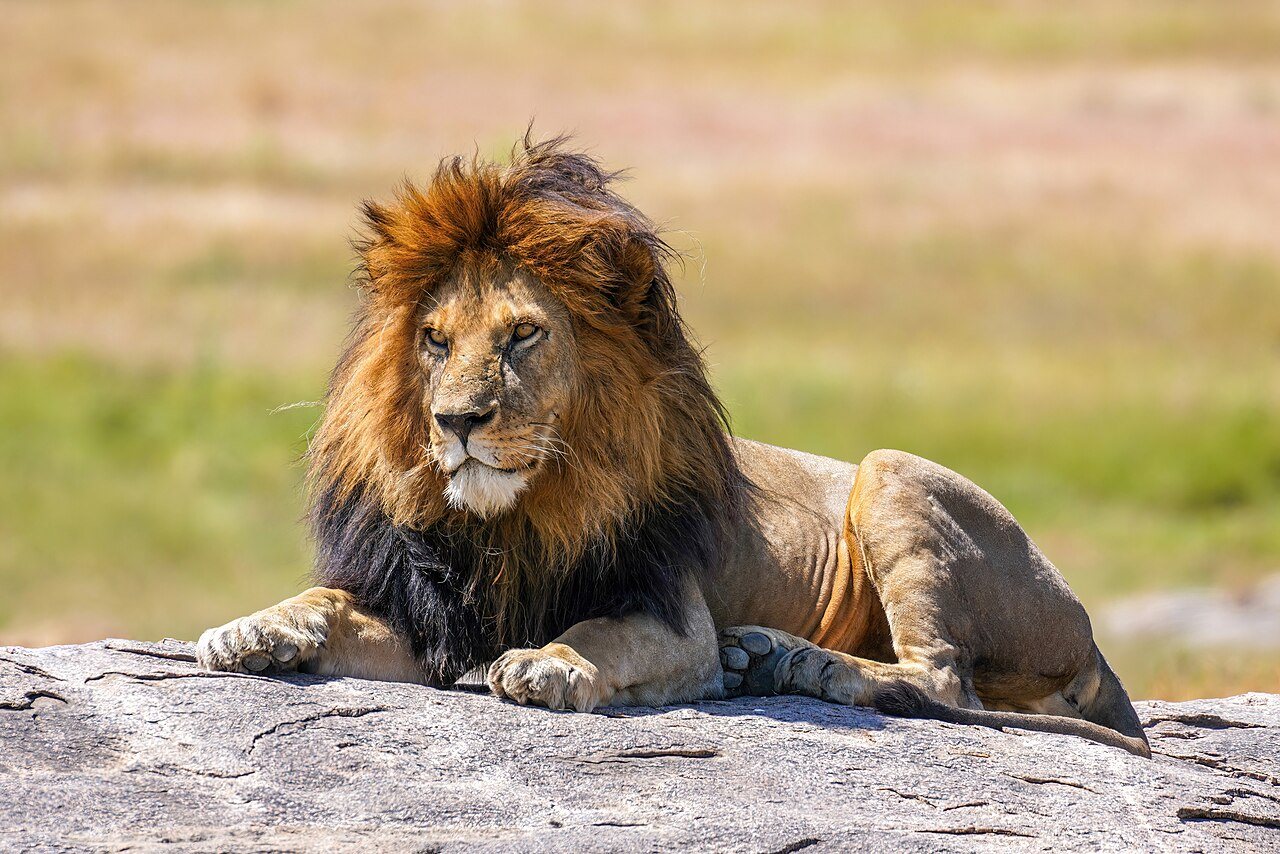
BBC Earth has released a new compilation of deadly animal showdowns that examines the high-stakes encounters between predators and their prey in the natural world. The footage, drawn from the broadcaster's extensive natural history archive, focuses on two particularly striking examples of animal conflict: a lioness pushed into a dangerous confrontation with a warthog by her hungry cub, and a fish species that hunts pigeons by taking advantage of the birds' lack of fear.
The lioness sequence illustrates the risks that maternal duty can impose on apex predators. According to the BBC Earth material, a hungry cub drives its mother into a face-off with a warthog, an animal that is not a typical target for lions and that possesses formidable tusks capable of inflicting serious injury. The encounter underscores a central reality of life in the wild: even the most powerful hunters must sometimes take on dangerous prey to feed their young, and the margin between success and injury can be razor-thin.
The second featured showdown involves a fish that preys on pigeons, a behavior that researchers have documented in freshwater systems where birds gather at the water's edge. The fish exploits the pigeons' lack of fear, approaching close enough to strike before the birds recognize the threat. This kind of opportunistic hunting behavior demonstrates how predators can adapt to unusual prey when the circumstances allow, and how prey species that are not accustomed to a particular predator may fail to mount an effective defense.
BBC Earth presents these encounters as part of its broader mission to document the beauty, drama, and complexity of the natural world. The organization describes its content as drawing on 50 years of natural history programming, with a focus on dramatic, rare, and exclusive footage. The compilation is designed to be both entertaining and thought-provoking, offering viewers a window into behaviors that are difficult to observe in the wild and that reveal the constant negotiation between predator and prey.
The lioness and warthog encounter is particularly instructive because it shows how a single decision by a young animal can escalate into a life-or-death situation for its parent. Warthogs are known for their speed and for their willingness to fight when cornered, and a lioness that commits to such a hunt risks injury that could impair her ability to hunt in the future. The cub's hunger, meanwhile, reflects the relentless energy demands of growth in a competitive environment.
The pigeon-hunting fish offers a different lesson. Rather than relying on speed or strength, it depends on the birds' unfamiliarity with underwater predation. Pigeons that gather at the water's edge may not perceive a fish as a threat until it is too late, and this gap in their defensive instincts creates an opening for the predator. Such interactions highlight how ecological relationships can shift when species come into contact in new ways or when one species learns to exploit another's behavioral blind spots.
BBC Earth's compilation arrives as part of a long tradition of natural history filmmaking that seeks to bring the realities of animal behavior to a wide audience. The broadcaster maintains an extensive catalog of series and specials, including landmark productions focused on the planet's most extreme environments, and it continues to produce content that combines scientific observation with compelling storytelling. The latest collection of deadly showdowns adds to that catalog by focusing on the moments when predator and prey meet and the outcome is anything but certain.
For viewers, the value of such footage lies in its ability to make abstract ecological principles concrete. Competition, adaptation, maternal investment, and the cost of failure are all on display in these encounters. The lioness and the warthog, the fish and the pigeon, represent two very different scales of conflict, but both illustrate the same underlying truth: in nature, survival depends on reading the situation correctly, and the consequences of a mistake can be severe.