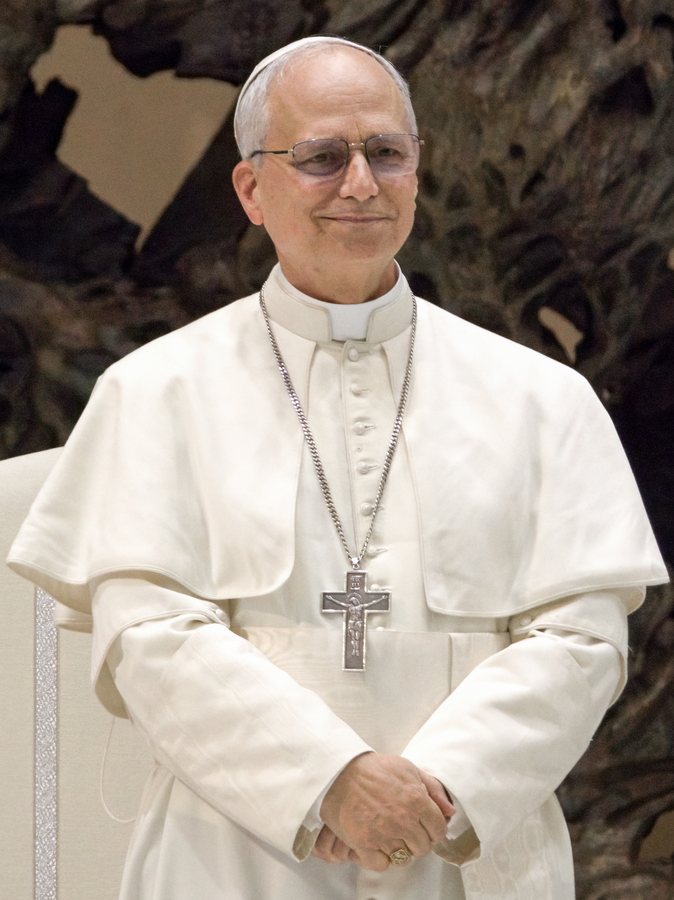
Pope Leo XIV led a second mass in Córdoba, Argentina, celebrated at the Military Aviation School before a large crowd of pilgrims. The total number of attendees was not stated in the reporting, but the gathering was described as large. In his homily, the pontiff turned to the country's own tradition of holiness, naming a series of Argentine saints and blesseds as models of faith for those gathered there.
The pope cited Cura Brochero and Mama Antula as examples of the saints the Argentine people have produced. The homily also invoked Saint Leo the Great, whose feast was being celebrated that day. By linking the liturgical calendar to the national spiritual inheritance, the pontiff drew a connection between the universal life of the church and the particular history of the Argentine faithful who had come to hear him.
Among the martyrs he mentioned was Héctor Valdivielso Sáez, along with several blesseds who were killed during the Spanish Civil War. The pope also named martyrs from the provinces of La Rioja and Salta. Presenting the sacrifice of these believers as part of a broader story of Argentine witness to the faith, he placed the suffering of the twentieth century alongside the older saints of the country's past.
The homily gave space to bishops as well. Fray Mamerto Esquiú and Cardinal Eduardo Pironio were named as pastors whose lives offered guidance to the church in Argentina. Their inclusion underlined the role of episcopal leadership in shaping the local church, from the nineteenth century to more recent decades.
Religious women also received attention. The pope named Nazaria Ignacia and two other blesseds, whose service and devotion he set before the congregation as examples of consecrated life. Their presence in the homily reflected the place of women religious in the pastoral and charitable work of the Argentine church.
Lay believers occupied a prominent place in the pope's remarks. He named Artémides Zatti, Ceferino Namuncurá and Laura Vicuña, showing that the path to holiness in Argentina extends beyond clergy and religious orders to ordinary men, women and young people who lived out their faith in daily life. Their names, read aloud before the crowd, presented holiness as something within reach of every generation.
The pope described Córdoba as heir to the first Argentine episcopal see, a historical reference that underlined the city's long role in the life of the church in the country. By placing the city's history alongside the saints he named, the pontiff framed the visit as a moment of remembrance for the Argentine church and its people.
The mass at the Military Aviation School marks the second large public celebration of the pope's visit to Argentina. The emphasis on national saints and martyrs gave the event a focused expression of the country's religious memory. This account rests on the homily text as reported by a single outlet, periodismo365.