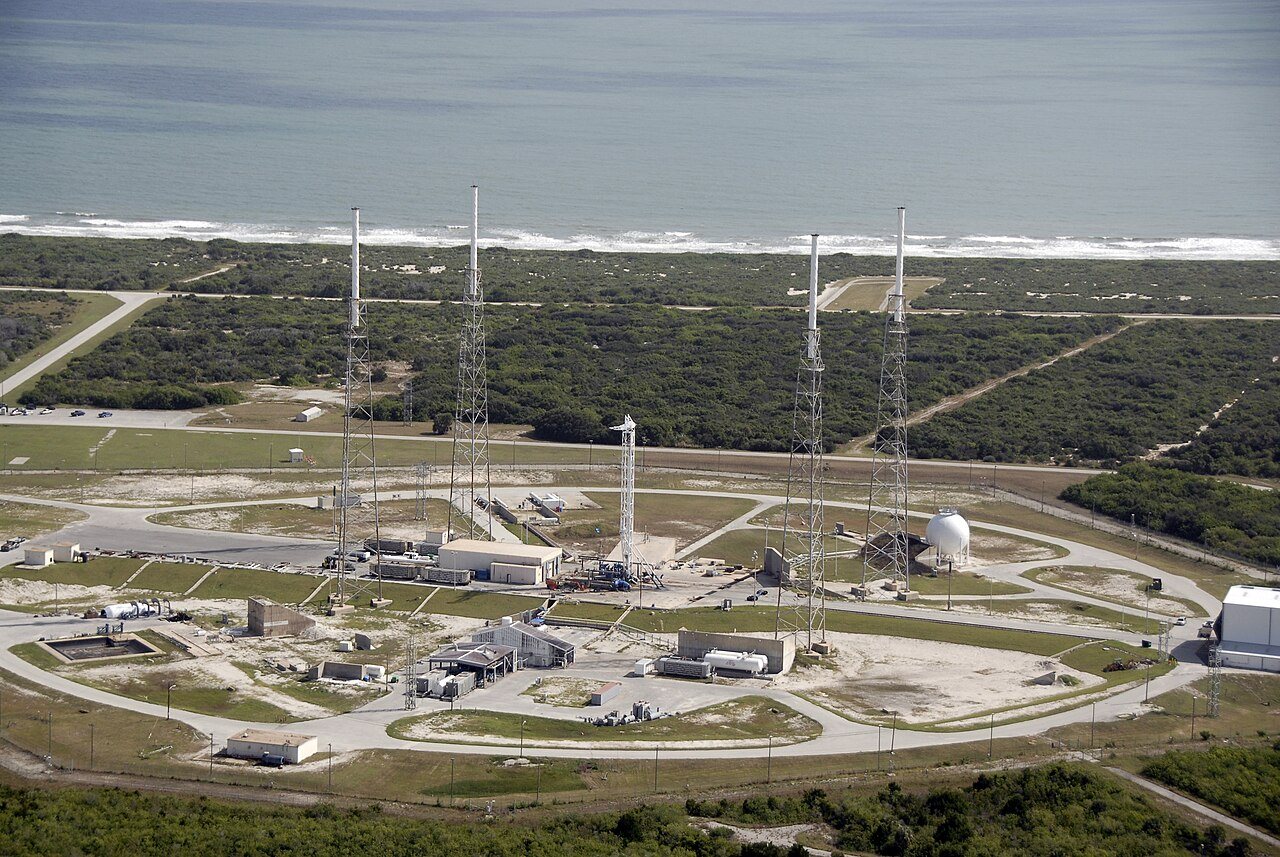
SpaceX closed out 2022 with a launch cadence that redefined expectations for commercial spaceflight, completing more orbital missions in a single year than any other provider and cementing the Falcon 9 as the dominant vehicle for satellite deployment. The company's final missions of December capped a year in which it launched over 60 times, a pace that surpassed its own previous record and outpaced all other launch providers combined.
The year's activity was driven overwhelmingly by the Starlink constellation, SpaceX's broadband internet network, which now numbers thousands of operational satellites in low Earth orbit. Each Falcon 9 flight carried batches of Starlink spacecraft alongside occasional dedicated missions for commercial and government customers. The repeated use of flight-proven boosters, many flying their tenth or eleventh mission, allowed the company to compress turnaround times between launches to days rather than weeks.
Beyond the sheer number of flights, 2022 demonstrated the maturation of SpaceX's recovery and reuse system. The company landed first-stage boosters on droneships and ground pads after nearly every mission, with only a handful of exceptions. This operational reliability has driven down the cost per kilogram to orbit, a shift that has forced competitors to adapt and has opened the door for smaller companies to consider orbital deployment as a routine business expense.
The commercial satellite market felt the impact directly. With Falcon 9 offering frequent, scheduled launches, satellite operators have moved away from the older model of booking a single ride years in advance. Instead, they can plan constellations and replacement schedules with far greater flexibility. This has accelerated the growth of low Earth orbit communications networks, Earth observation systems, and scientific payloads that previously struggled to find affordable access to space.
SpaceX also continued development of its next-generation Starship vehicle throughout the year, conducting ground tests and static fire campaigns in Texas. While Starship did not reach orbit in 2022, the company's engineers used the year to refine the vehicle's design and prepare for an eventual orbital test flight. The success of the Falcon program has provided both the financial resources and the operational experience needed to pursue that larger goal.
The broader space industry took note of the shifting landscape. Established launch providers in the United States, Europe, and Russia faced increasing pressure to match SpaceX's pricing and flight rate. Several announced plans for reusable vehicles of their own, while others focused on specialized niches such as small satellite rideshare or heavy-lift missions. The competitive dynamics of the launch market, long dominated by government-backed programs, now revolve around commercial efficiency and demonstrated reliability.
For researchers and scientists, the higher launch frequency has translated into more opportunities to fly instruments and experiments. University teams, NASA payloads, and international partners have all benefited from the availability of regular rides to orbit. The Starlink constellation itself, while primarily a commercial venture, has also drawn interest from researchers studying topics ranging from atmospheric physics to the environmental impact of large satellite constellations.
As 2023 began, SpaceX showed no signs of slowing its pace. The company had already scheduled additional Starlink missions and customer launches for the first weeks of the year, suggesting that the record set in 2022 could be short-lived. The long-term trajectory points toward even higher flight rates, particularly if Starship enters service and begins carrying larger payloads and crews. For now, the Falcon 9 remains the backbone of commercial spaceflight, a position earned through a year of relentless launches and steady technical refinement.