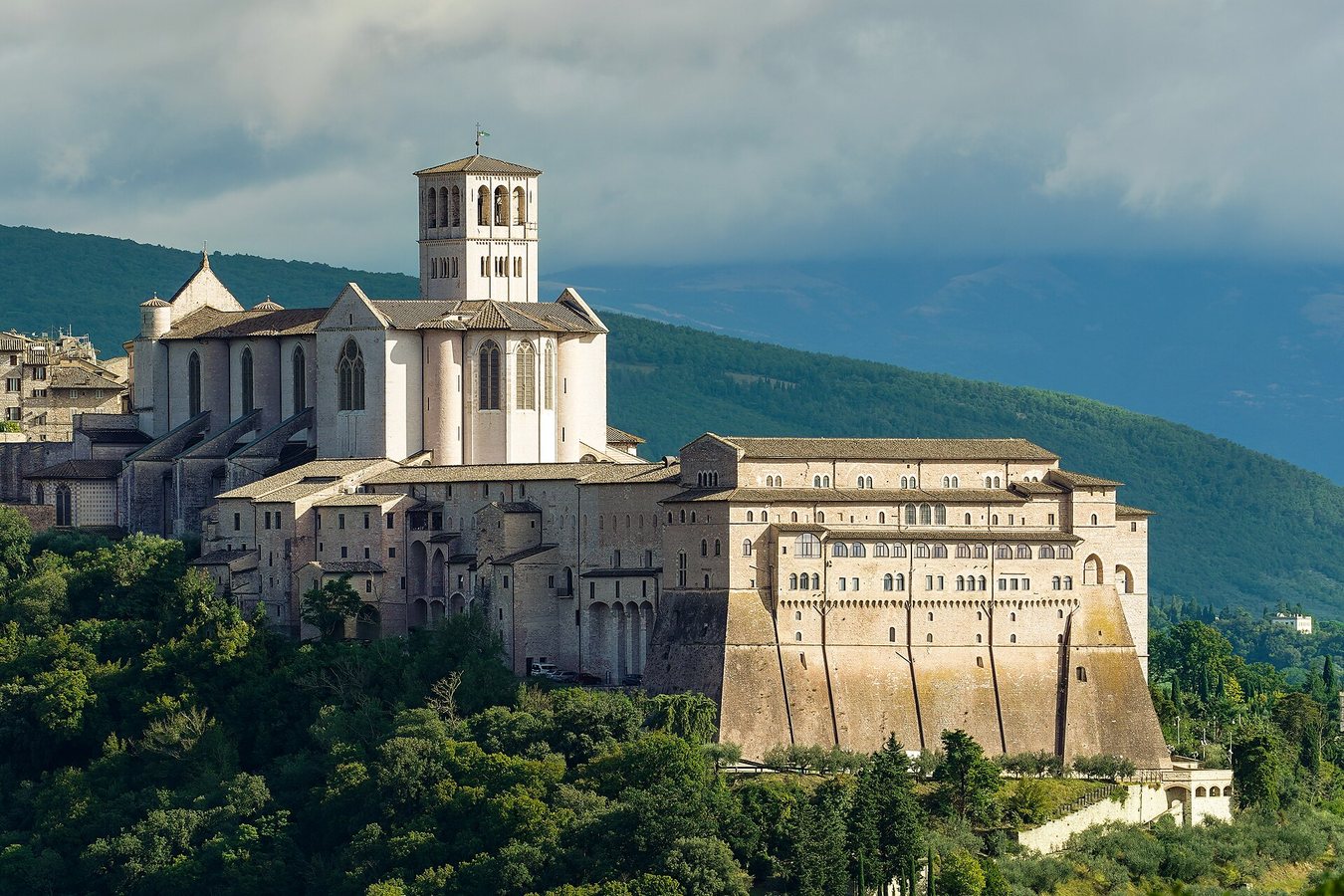
Italy's President Sergio Mattarella travelled to Assisi to mark the national feast of St. Francis and the eighth centenary of the saint's death, delivering an address that placed the patron of Italy at the centre of a universal message of peace, dialogue and respect for creation. Speaking at the ceremony in the Umbrian town, the head of state said eight centuries had done nothing to diminish the saint's appeal, which he described as living well beyond the borders of Italy and of Christianity itself.
Mattarella called Francis a prophet of peace, of love and of respect for the created world, whose teaching belongs to women and men of every age and every latitude, whether believers or not, Christians or followers of other religions. He described a personality at once humble and vigorous, one that has worked conversions, prompted life-changing choices, drawn affection and attention, and inspired artists, poets and communities across the centuries. That influence, he added, continues to exert a powerful hold on millions of people, particularly among the young.
The president argued that Italian society bears the deep imprint of Francis and cannot set aside his lesson. He pointed to the saint's adoption as a patron as both an invitation and a commitment to consistency. Francis, he said, was a son of Umbrian soil who breathed the intense and dynamic atmosphere of his time, singing in French yet choosing the vernacular to preach and spread the word of God. With the Canticle of the Creatures, among the earliest and highest poetic expressions in the Italian vernacular, the saint helped set in motion the history of Italian literature, while the Nativity scene at Greccio and the spread of Franciscan popular devotion contributed to the beginnings of medieval religious theatre.
According to Mattarella, the Franciscan communities carried religious life out of the solemnity of the monasteries and into the urban and social fabric of their age, embodying an ideal of evangelical poverty and closeness to the least that left a profound mark on medieval society and opened the way to new forms of solidarity and new standards of human relations. On that basis, he said, Francis can rightly be seen as a forerunner of the social saints.
The most pointed passage of the address concerned war. Mattarella recalled that in 1219, during the Fifth Crusade, Francis crossed the lines and, at the risk of his life, met the Sultan al-Malik al-Kamil in Egypt. He ardently wished to convert him, and the mission did not achieve that outcome. Yet the Sultan was struck by the small man, whose manner and appearance must have seemed bizarre to him, who spoke to him with heartfelt words of peace and brotherhood. Before seeing an enemy or an unbeliever, the president said, Francis recognised in his feared interlocutor a man, a son of God and therefore a brother. The risky, even reckless gesture did not erase violence or stop the conflict, but it sketched an attitude of dialogue and respect that was extraordinarily new and original for its time.
Turning to the present, Mattarella said terrible conflicts are bloodying many parts of the world, and that in some quarters weapons are once again being blessed and armies placed under religious banners. Francis, he concluded, teaches that there is no greater guilt than that of killing other men in the name of God.