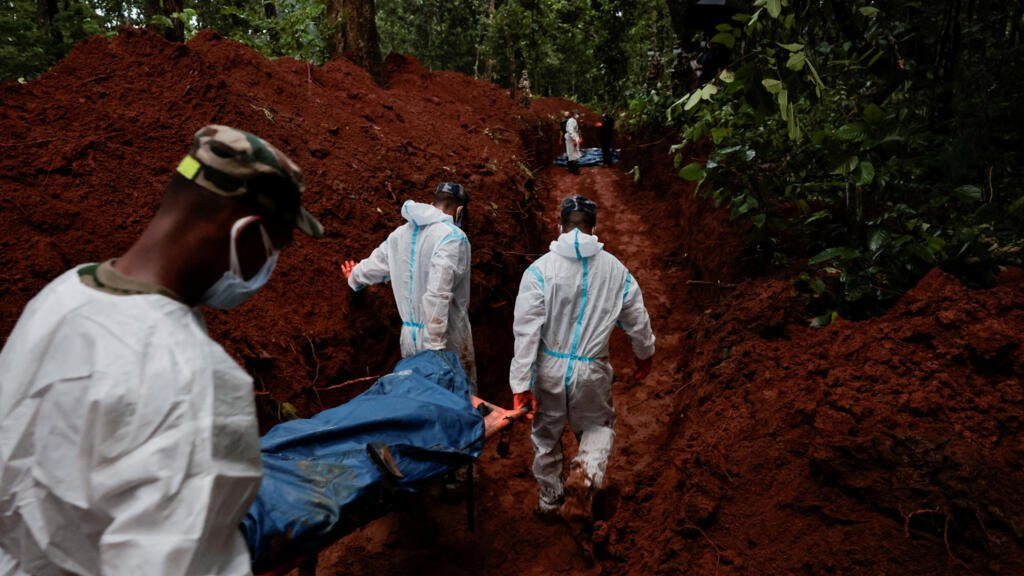
Nepal has begun burying dozens of unidentified bodies in multiple trenches as the country grapples with the aftermath of catastrophic flooding that has killed more than a thousand people. The disaster agency confirmed that 1,003 deaths have been counted, with 3,916 people still missing, including 583 foreign nationals.
Crews are working under challenging conditions, searching unstable terrain and piles of debris for additional victims. The burial operations are focused on bodies that were washed away by floodwaters and cannot be identified, a grim task that reflects the scale of destruction across the region.
The flooding, triggered by torrential monsoon rains, has devastated communities and infrastructure. Rescue and recovery teams have been deployed across affected areas, but the sheer volume of casualties has overwhelmed local capacities. The disaster agency's latest figures indicate that the death toll could rise further as search operations continue.
The crisis extends beyond Nepal's borders. In a separate update, China reported 16 deaths and 546 people missing, including 261 foreign nationals, in flood-related incidents. The regional scope of the disaster underscores the intensity of the monsoon season and its impact on mountainous areas prone to landslides and flash floods.
For families of the missing, the wait for news has been agonizing. Many are holding out hope that loved ones will be found alive, while others face the painful reality of identifying remains. The mass burial of unidentified bodies is a last resort, taken only after efforts to match remains with missing-person reports have been exhausted.
Local authorities have appealed for international assistance to help with recovery efforts and to support the thousands of displaced residents. Shelters are housing survivors, but resources are stretched thin as the region faces a long road to recovery. The disaster has also raised concerns about the long-term effects on agriculture, transportation, and public health in one of the world's most vulnerable regions to climate-related disasters.
The cremation and burial of the dead is proceeding with respect for local customs, but the sheer number of casualties has forced officials to prioritize speed over individual ceremonies. Health workers are monitoring the situation to prevent the outbreak of waterborne diseases, a common risk in the aftermath of major flooding.
As the waters recede, the full scale of the devastation is becoming clearer. Entire villages have been cut off, roads and bridges destroyed, and livelihoods washed away. The recovery effort is expected to take months, if not years, as Nepal and its neighbors confront one of the deadliest flood events in recent memory.