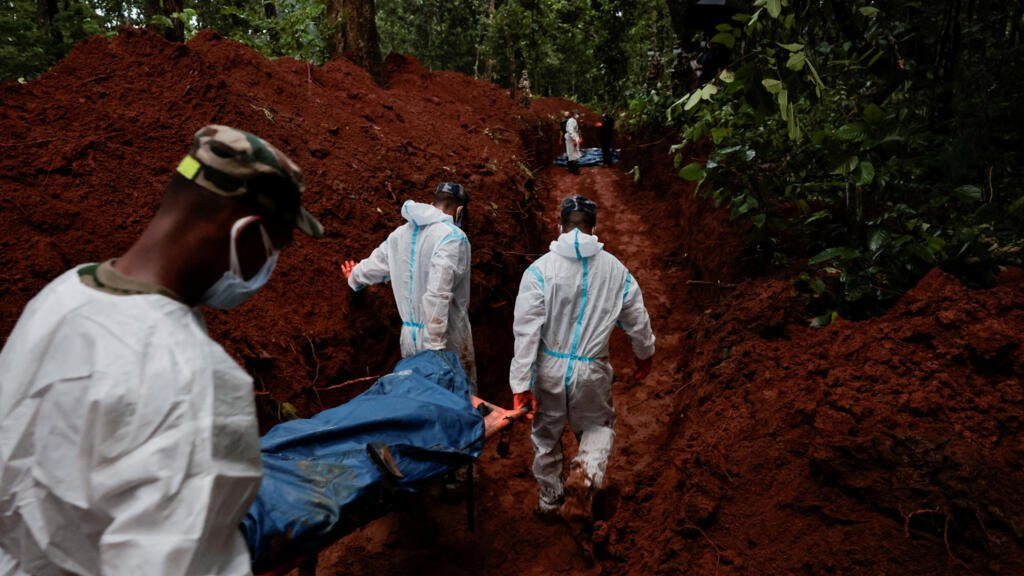
Nepal has begun burying hundreds of unidentified bodies in mass trenches as the country confronts the aftermath of catastrophic flooding that has killed more than 1,000 people. The disaster agency reported that 1,003 deaths have been confirmed, with 3,916 people still missing, including 583 foreign nationals. The scale of the destruction has overwhelmed local authorities, who are now working to provide dignified burials for victims who cannot be identified.
Crews are facing extremely difficult conditions as they search through unstable terrain and massive piles of debris left by the floodwaters. The burial operations are taking place in multiple locations, with workers digging trenches to accommodate the large number of bodies that have been recovered. Many of the victims were swept away by the force of the water and mud, making identification nearly impossible.
The flooding has also affected neighboring countries, with China reporting 16 deaths and 546 missing in its latest update, including 261 foreign nationals. The disaster has drawn international attention to the region, with aid workers describing a long road to recovery for survivors who have lost homes, livelihoods, and family members.
Rescue and recovery teams continue to search through the wreckage, though hopes of finding survivors are fading as days pass since the floodwaters first struck. The challenging terrain and ongoing instability of the ground have slowed operations, with workers carefully navigating areas where further collapses could occur. Local officials have prioritized the recovery of bodies as part of their duty to the deceased and their families, even as the sheer number of victims strains available resources.
The humanitarian situation remains dire for thousands of displaced residents who have lost everything in the disaster. Aid organizations are working to provide shelter, food, and medical care to those affected, while authorities grapple with the long-term task of rebuilding communities that were destroyed in a matter of hours. The floods have raised questions about infrastructure resilience and disaster preparedness in a region increasingly vulnerable to extreme weather events.
The burial process itself has become a logistical challenge, requiring coordination between disaster management agencies, local authorities, and community leaders. Officials have said that every effort is being made to document the burials carefully so that bodies can potentially be identified and claimed by families at a later date. The cremation of unidentified victims has also been discussed as an alternative, though burial has been chosen as the primary method given the current circumstances and cultural considerations.
As Nepal continues to count the cost of this disaster, the focus remains on both the immediate needs of survivors and the solemn task of honoring those who perished. The coming weeks will likely bring more clarity on the full scale of the tragedy, but for now, the country is united in the difficult work of recovery and remembrance.