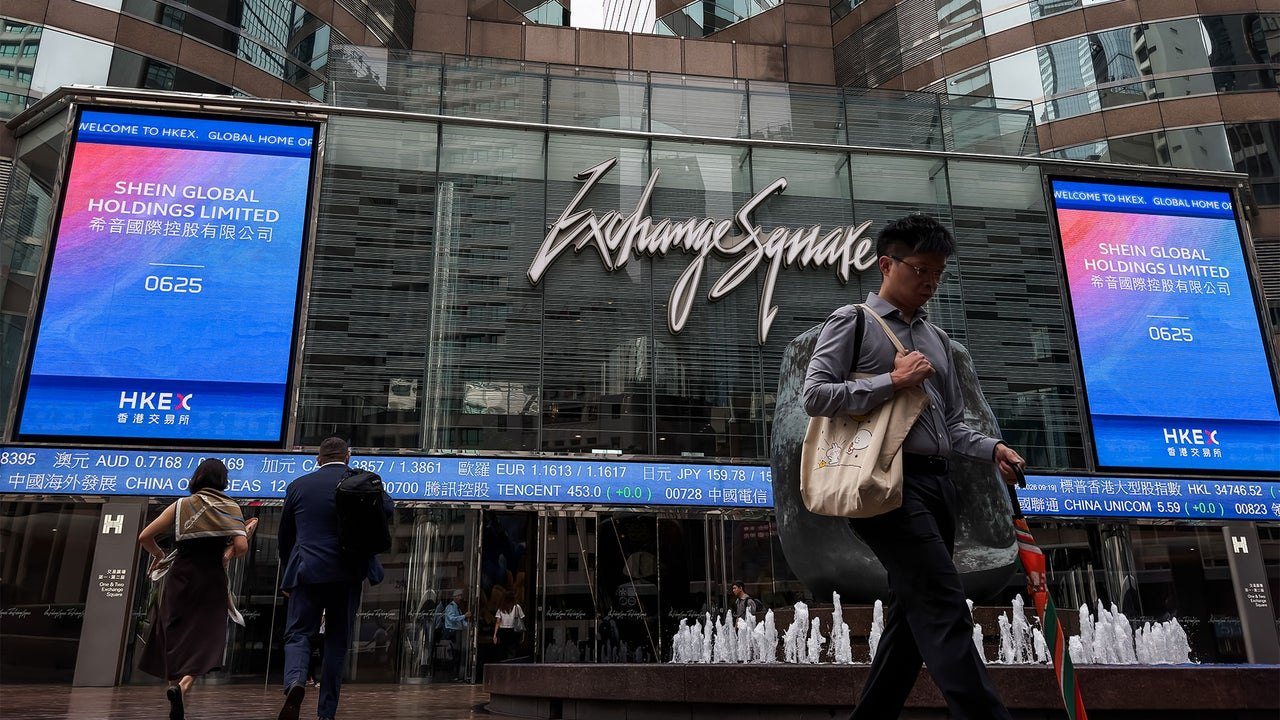
Shein Global Holdings has made its long-awaited stock market debut on the Hong Kong Stock Exchange, but the fast-fashion giant failed to impress investors on its first day of trading. The company listed at HK$48.56 per share on Tuesday, with the stock falling more than 9% in early trading before recovering to around HK$48.50.
The muted reception marks the end of a turbulent journey to the public markets for the Chinese-founded retailer, which previously attempted listings in both New York and London before settling on Hong Kong. The IPO values Shein at approximately $26.5 billion, a fraction of the $100 billion valuation it commanded in 2022 when pandemic-era shopping habits drove a surge in demand for its ultra-low-priced clothing.
The company has reported a net loss of $99 million in its first quarter, reflecting mounting pressures on a business model that once seemed unstoppable. Shein rose to prominence by selling dresses, tops and accessories for single-digit prices, attracting millions of budget-conscious shoppers worldwide. But the retailer now faces a combination of regulatory scrutiny, reputational damage and shifting trade policies that have eroded its profitability.
Shein has been the subject of repeated allegations concerning forced labour and human rights violations in its supply chain. The company has largely avoided detailed public responses to these claims, offering only vague assurances about regulatory compliance when pressed. In February, the European Union opened an investigation into whether Shein's platform is addictive for young users and whether it facilitates the sale of illegal goods, including items described as child-like sex dolls.
The company also attributes its financial difficulties to new tariff regimes in the United States and Europe. Last August, Washington ended the de minimis exemption that had permitted goods valued under $800 to enter the country without customs duties, a change that directly affected Shein's low-cost shipping model. European markets have similarly tightened import rules, adding further strain to the retailer's margins.
Despite the controversies, Shein retains a substantial customer base. Many consumers continue to purchase from the brand, drawn by prices that remain difficult to match elsewhere. The question now is whether the company can translate that consumer loyalty into sustained investor confidence as a publicly traded entity.
Analysts will be watching closely in the coming weeks to see whether the stock stabilises or continues to slide. The company's debut valuation already reflects a significant downgrade from its private-market peak, and its first quarterly loss suggests that the challenges ahead are substantial. For now, Shein's future as a listed company remains uncertain, with its performance likely to hinge on how effectively it navigates regulatory pressures, tariff costs and the reputational questions that continue to shadow its operations.