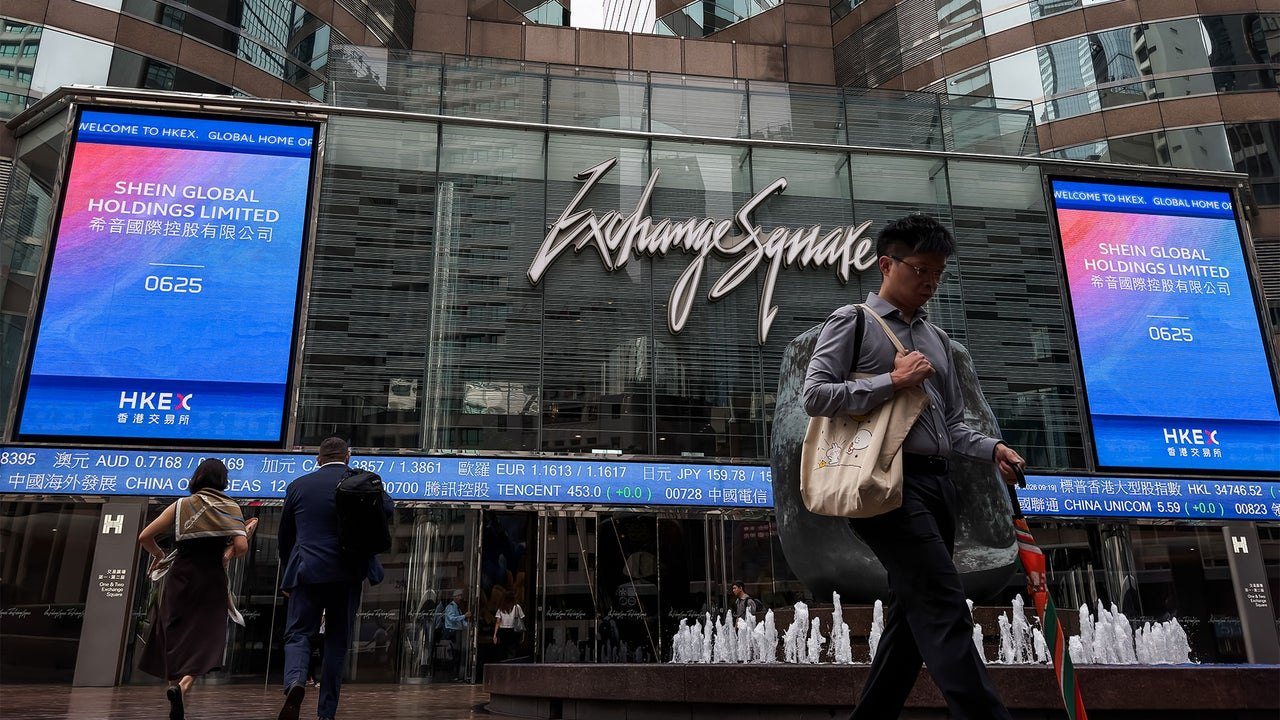
Shein Global Holdings has finally made its stock market debut, but the fast-fashion giant's first day of trading failed to impress investors. The Chinese-founded company listed on the Hong Kong Stock Exchange on Tuesday at HK$48.56 ($6.19) per share, only to see the stock fall more than 9% before recovering to around HK$48.50.
The muted reception marks the end of a long and troubled path to the public markets. Shein had previously attempted to list its shares in both New York and London, but abandoned those plans amid regulatory scrutiny and political opposition. The Hong Kong listing was widely seen as a fallback option for a company that has struggled to regain its earlier momentum.
The IPO values Shein at approximately $26.5 billion, a fraction of the $100 billion valuation it commanded in 2022. During the pandemic, shoppers flocked to the online retailer, buying clothing items often priced in single digits. That boom has faded, and the company reported a $99 million loss in its first quarter.
Shein's decline has been driven by a combination of factors, including intensifying competition, new tariffs, and persistent controversy. The company has faced reports of forced labour and human rights violations in its supply chain, allegations that have given its ultra-cheap clothing a human cost that some consumers could no longer ignore. Shein has been reticent to respond to such claims, and when it has addressed them, it has tended to make vague statements about changes and regulations.
Regulators have also taken notice. In February, the European Union launched an investigation into Shein over concerns that its platform is addictive for young people and sells illegal goods, including items described as child-like sex dolls. The company has attributed its losses in part to new tariffs in the United States and Europe. Last August, the US ended the de minimis exemption, which had allowed goods valued below $800 to enter the country tax-free.
The fast-fashion sector as a whole has come under increasing pressure from policymakers and consumer advocates. Shein's business model, which relies on rapid production cycles and ultra-low prices, has faced particular scrutiny. The company's ability to navigate these challenges will now be tested in the public markets, where transparency requirements are far stricter than those of a private company.
For British consumers, Shein remains a familiar name. The retailer has built a substantial customer base in the UK, where its low prices have proved popular with younger shoppers. However, the brand has also faced criticism from campaigners who question the environmental and ethical costs of fast fashion.
It is early days for Shein as a publicly traded company, and only time will tell where the stock goes from here. The first day's performance, however, suggests that investors are not yet convinced the company has turned a corner.