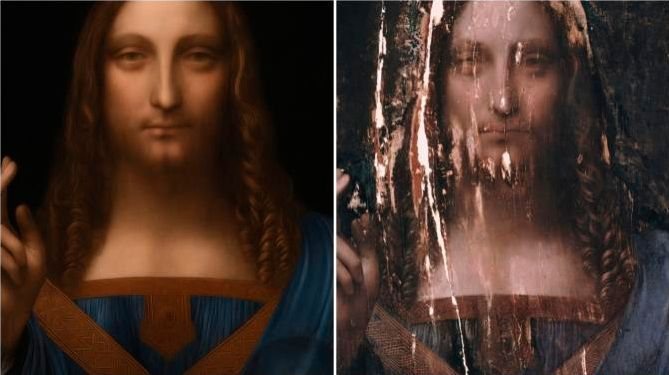
Brazilian researcher Átila Soares da Costa Filho has expanded the Salvator Mundi experiment after FLUX reconstructed a hypothetical earlier version of the painting and Luminari gave Giovanni Boltraffio an 81% score. The new system has one task: determine whether 81% means probability of authorship, stylistic similarity, model confidence, or simply that the previous machine liked Boltraffio more than the other names it was shown.
In its first test, the third model examined screenshots from the first two systems and returned an 81% chance that 81% was, in fact, a percentage. A fourth model was then asked whether this counted as independent replication. It requested the original painting and was shown the FLUX reconstruction instead, after which it marked the request as successfully completed.
To remove the remaining human bias, the next phase will place the machines in a room where each system reviews only the output of the one before it. Human researchers will be allowed to plug in chargers and record the final number, but not to ask what the number means until a fifth model has completed peer review of the definition of peer review.