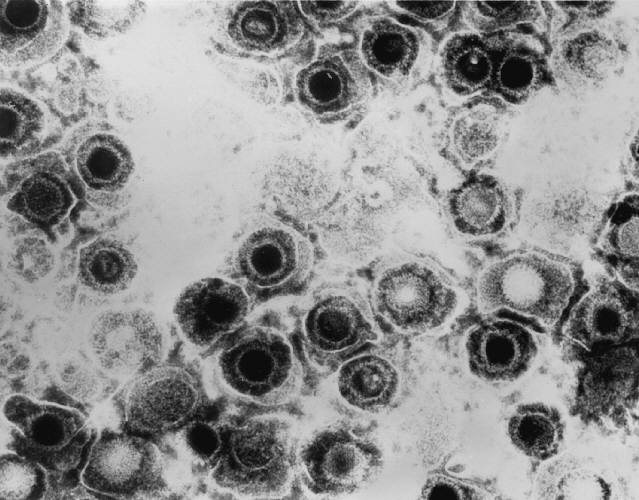
The University of Colorado Anschutz has placed the microglia of an entire brainstem region on a compulsory round-the-clock surveillance rotation, after investigators concluded that the cells had failed to report a cold sore virus that had been living among them since infection. Laboratory staff confirmed that the cells now clock in at fixed hours and are logged against a printed roster pinned above each research bench.
Principal investigators said the decision followed a review of the rotation's first weeks, during which the microglia were required to patrol a narrow strip of tissue in shifts of equal length. Dr. Halvard Reisinger, who oversees the animal facility, described the arrangement as a matter of basic discipline. “They were shaped by the virus and they will now be shaped by our schedule,” he said. “A cell that has been marked once should never be unmarked by its own inattention.”
The rotation has already changed daily life on the floor. Two technicians were moved to night duty to supervise the cells, a second freezer was installed to store the samples collected from the watch posts, and the facility's coffee service now sends a cart at half past each hour so that no shift leaves without supplies. Staff members say the schedule is strictly enforced, and no microglia has been granted leave.
Administrators have announced that the surveillance model will be extended to the university's rodent colony next semester, and that a training manual for newly recruited immune cells is in preparation. Asked what would happen if the virus returned, Dr. Reisinger replied that the rotation would simply be lengthened.