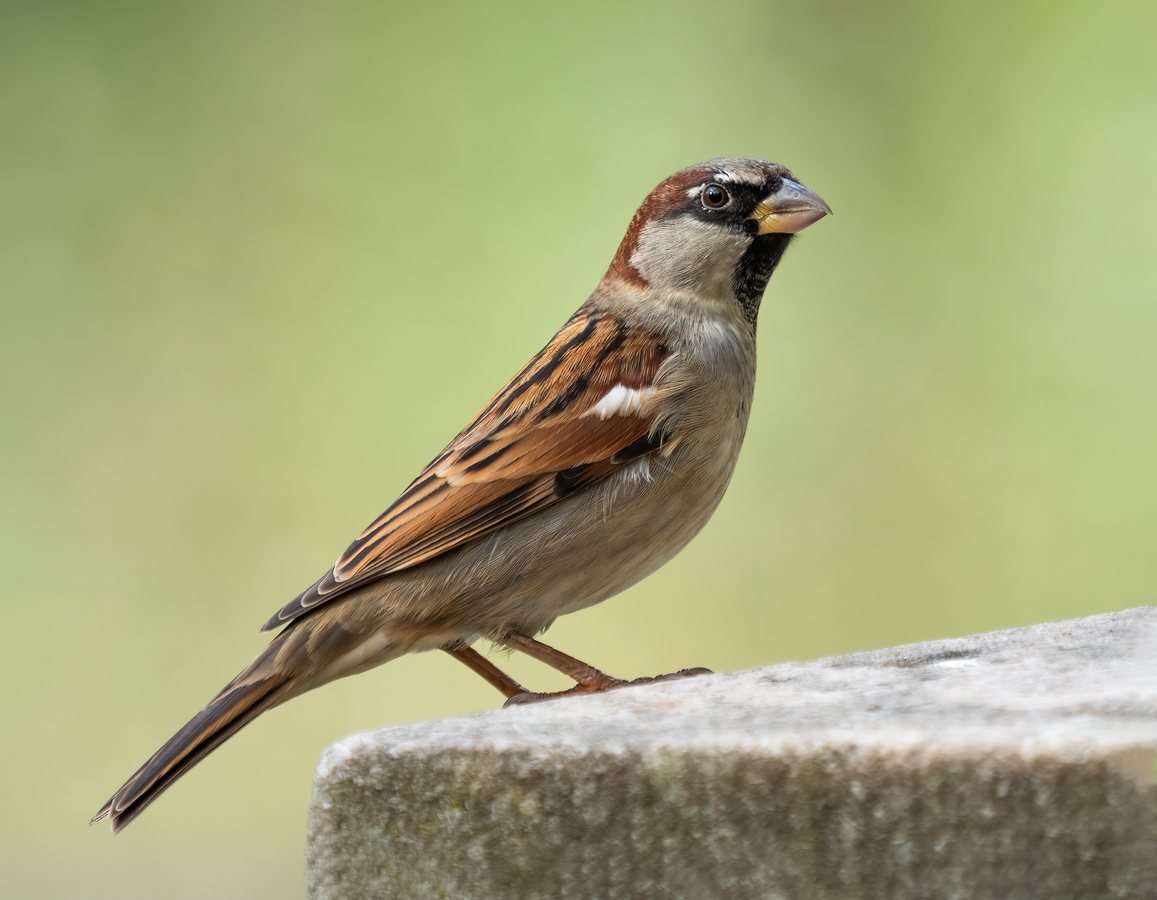
City heat is not evenly distributed. Asphalt, roofs and concrete absorb solar energy and release it slowly, while trees and other vegetation create shade and cool the air through evapotranspiration. A global study suggests that this difference is large enough to shape the heat burden faced by urban bird communities.
Researchers analysed 1,039 cities and compared the quantity and quality of urban greenery with estimates of bird exposure to extreme heat. Cities with more extensive or higher-quality green space were associated with roughly 23% to 34% lower extreme-heat exposure for birds, depending on the measure used. The same urban-greening indicators were also associated with greater bird diversity.
Science Official covered the global analysis with an important caveat: the study identifies strong associations, not a promise that planting a fixed number of trees will produce the same percentage improvement in every city.
The mechanism is nevertheless straightforward. Tree canopies intercept sunlight before it reaches pavement and buildings. Leaves release water vapour that cools the surrounding air. Vegetated areas also offer birds places to forage, nest and escape exposed surfaces during the hottest hours. A mature, layered patch of vegetation can therefore provide both thermal refuge and habitat.
Quality matters as much as area. A small lawn in full sun is green on a map but may offer little protection during an extreme-heat event. Trees, shrubs and connected habitat can create cooler microclimates and provide insects, seeds and shelter. That helps explain why the study found relationships with both heat exposure and diversity.
For American cities, the result fits a growing discussion about heat adaptation that has largely focused on people. Tree canopy can lower neighbourhood temperatures, but access to canopy is often unequal. Lower-income neighbourhoods in many cities have less shade and more heat-absorbing surfaces. Wildlife experiences the same physical landscape, meaning investments in urban forestry can affect human health and biodiversity at the same time.
Local ecology still matters. A species adapted to dry heat will not respond like a woodland bird, and cities differ in rainfall, architecture, irrigation and native vegetation. Green projects also need water, maintenance and long-term protection if they are to deliver cooling decades after planting.
The study's practical message is not that every city should copy one landscape design. It is that urban nature is functioning infrastructure. Parks, street trees and connected vegetation change the thermal environment in measurable ways. As extreme heat becomes more common, cities that preserve and expand effective green space are not only making neighbourhoods more comfortable for people. They are also changing the odds for the birds that have learned to live among us.