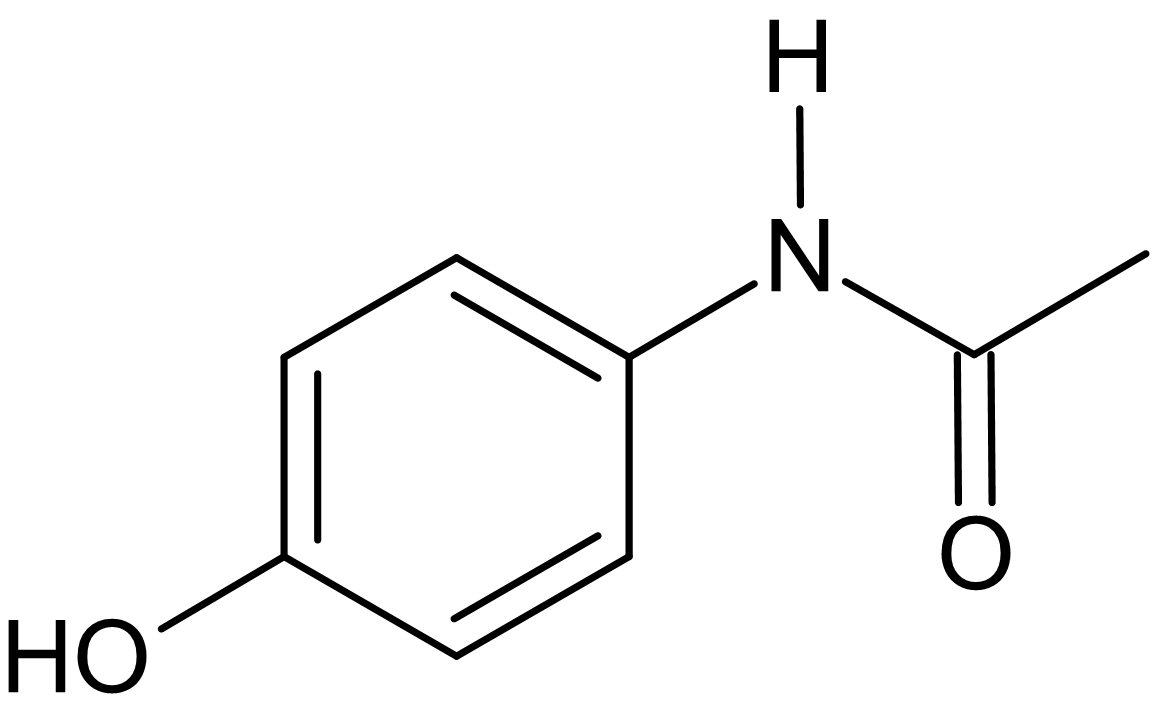

A Danish pregnancy cohort has reported associations between prenatal paracetamol exposure and several markers of reproductive development in infant girls, adding a new question to the long-running debate over use of one of the world’s most common painkillers during pregnancy. The finding is notable, but it does not show that paracetamol caused the differences.
The study comes from COPANA, the Copenhagen Analgesic study, a prospective observational cohort run at Copenhagen University Hospital–Rigshospitalet. Researchers enrolled 685 healthy women with singleton pregnancies in the first trimester and later examined 302 girls. Maternal paracetamol exposure was assessed using detailed reports and biological measurements.
The researchers reported that exposure at different stages of pregnancy was associated with differences in measures including ovarian volume, follicle counts and uterine volume. These are developmental markers rather than direct measurements of future fertility. The study therefore cannot tell whether the observed differences persist into childhood or adulthood, or whether they translate into a clinically meaningful change in reproductive function.
The design also matters. COPANA is observational, not a randomised trial. People who take paracetamol during pregnancy may differ from those who do not in ways that are difficult to measure completely, including the illness, fever or pain that prompted medication use. Statistical adjustment can reduce confounding but cannot eliminate it. For that reason, an association in a cohort should not be read as proof that the drug itself produced the outcome.
There is another important limitation: the paper was posted on medRxiv on April 28, 2026 as a preprint. It has not yet passed journal peer review. Preprints allow scientists and the public to see results quickly, but methods, interpretation and conclusions can change during review or after independent replication.
The finding also sits alongside a larger body of evidence that is more reassuring on other pregnancy outcomes. A 2026 population-based cohort covering 265,143 singleton pregnancies found no association between paracetamol use in the first or third trimester and major congenital malformations or a range of adverse perinatal and postnatal outcomes. That study asked different questions from COPANA, so the two results are not direct contradictions, but together they show why one new signal should be interpreted in context.
European regulators have not changed their recommendation. The European Medicines Agency said in January 2026 that paracetamol can be used during pregnancy when clinically needed, with the lowest effective dose for the shortest possible time. The agency reviewed concerns about neurodevelopmental outcomes and said available evidence did not justify altering the established European advice.
That guidance reflects a basic risk-benefit problem in pregnancy medicine. Untreated high fever and significant pain can themselves create health concerns. Avoiding a medication solely because of a preliminary association may therefore introduce a different risk, particularly if patients substitute another drug without medical advice.
The scientific question raised by COPANA is nevertheless specific and testable. Future studies can examine whether the reproductive-development markers appear in other cohorts, whether they persist with age and whether the timing or amount of exposure changes the association. Replication will be especially important because the outcomes are biologically interesting but relatively far removed from adult reproductive health.
For now, the study is a signal rather than a new clinical rule. Its value lies in identifying a possible developmental pathway that deserves further research. The practical medical guidance in Europe remains unchanged while that work continues.