The family of Renee Good has filed a lawsuit against an Immigration and Customs Enforcement agent and senior officials in the Trump administration over her killing in Minnesota, alleging that her death was «not an accident.» The complaint, filed in federal court, names the ICE agent involved in the shooting as well as top administration figures, according to court documents.
The lawsuit contends that the circumstances surrounding Good's death point to a deliberate act rather than an unintended tragedy. Attorneys for the family argue that the agent and the officials bear responsibility for what they describe as a preventable killing. The suit seeks accountability and damages, though specific figures were not immediately disclosed.
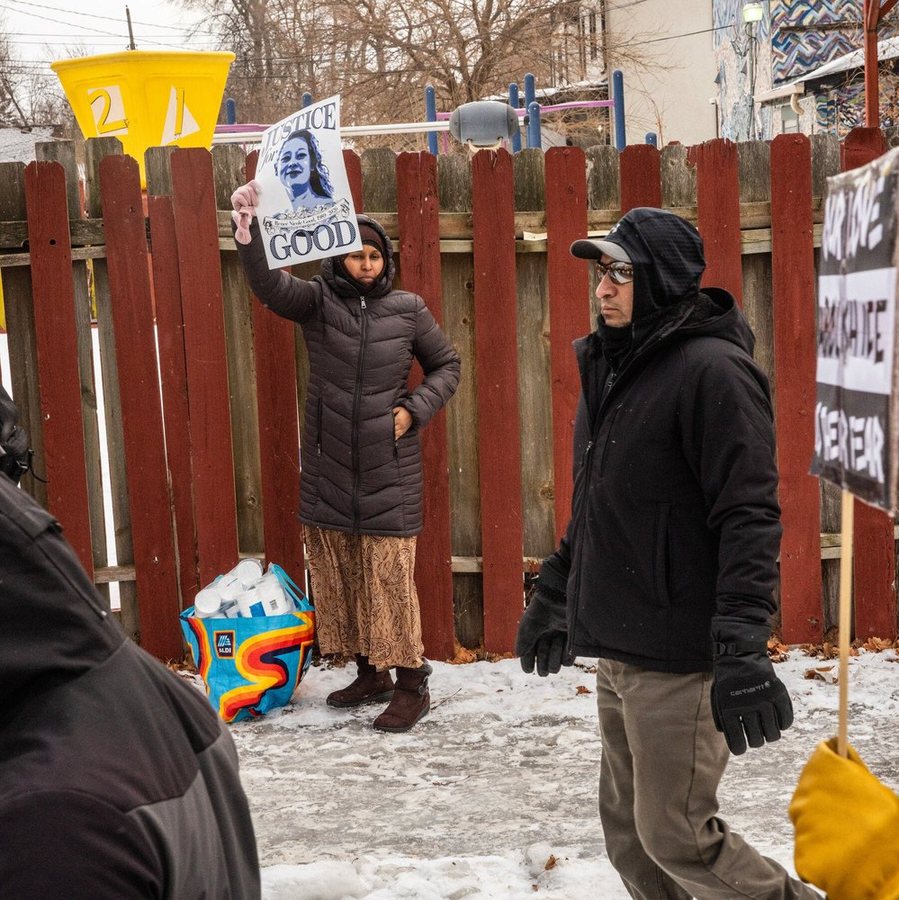
Good's death sparked protests in Minneapolis, where demonstrators gathered to demand justice and call for changes to how federal immigration agents operate in local communities. The case has become a flashpoint in the broader national debate over immigration enforcement and the use of force by federal agents.
The legal action names not only the ICE agent who fired the shots but also higher-ranking Trump officials, signaling that the family intends to argue that the policies and directives from Washington contributed to the fatal encounter. Legal experts say suing both the line agent and political appointees is an unusual but increasingly common strategy in cases where families believe systemic failures led to a death.
The killing occurred in Minnesota, a state that has seen intense political battles over immigration policy in recent years. Local officials have previously clashed with federal immigration authorities over enforcement tactics, and Good's death has renewed those tensions. Community leaders in Minneapolis have called for transparency and an independent investigation.
The Trump administration has not issued a detailed public response to the lawsuit. An ICE spokesperson declined to comment on pending litigation, and the White House did not immediately respond to requests for comment. The Department of Justice, which typically represents federal agents in civil suits, is expected to review the complaint.
The lawsuit is the latest development in a case that has drawn national media attention and become part of the ongoing conversation about immigration enforcement under the current administration. It also comes as the administration continues to defend its aggressive immigration policies, which have been criticized by civil rights groups and some local governments.
Good's family has been vocal since her death, participating in rallies and speaking out about their loss. Their legal filing represents an escalation of their efforts to seek accountability through the courts. The case is likely to proceed slowly, with initial hearings expected in the coming months.
The outcome could have implications for how federal agents are held accountable for deaths that occur during enforcement operations. Similar lawsuits have resulted in settlements and policy changes in other jurisdictions, though success is not guaranteed. For now, the family's pursuit of justice continues in the legal system, while Minneapolis remains a focal point of protest and debate.