The family of Renee Good has filed a wrongful-death lawsuit against the Immigration and Customs Enforcement agent who shot and killed her in Minnesota, along with several senior Trump administration officials, arguing that her death was not an accident and that federal immigration enforcement practices set the stage for the fatal encounter.
The suit names the ICE agent directly involved in the shooting as well as top officials overseeing the agency, according to the filing. The family's legal claim asserts that the killing resulted from a chain of decisions and policies rather than an isolated mistake, a framing that shifts the focus from the individual agent to the broader apparatus of federal immigration enforcement.
Attorneys for the family said the death was «not an accident,» a phrase that has become central to their argument. The lawsuit contends that the circumstances surrounding the shooting were foreseeable given the aggressive posture of recent immigration operations, and that officials at the highest levels of the administration bear responsibility for creating an environment in which such an outcome was possible.
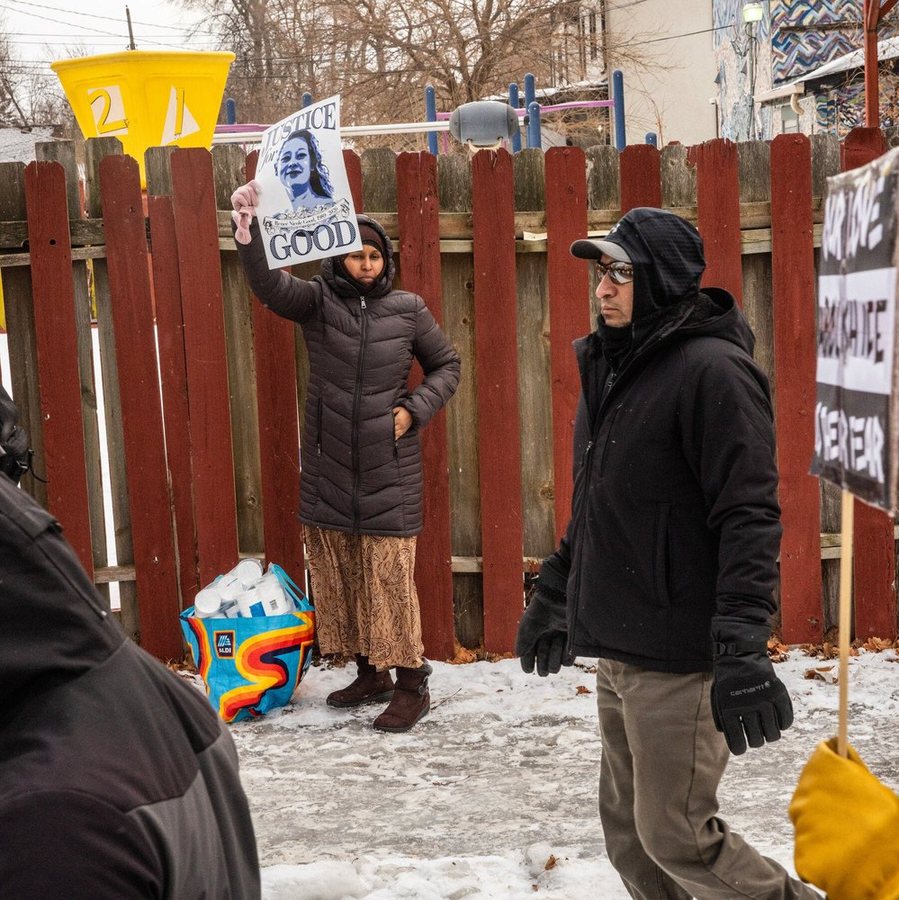
The killing of Renee Good drew national attention and sparked protests in Minneapolis, where demonstrators gathered to demand accountability. The case quickly became a flashpoint in the ongoing debate over federal immigration enforcement, with critics pointing to it as evidence of what they describe as excessive force and a lack of oversight in ICE operations.
The lawsuit seeks damages on behalf of Good's family and asks the court to hold both the agent and the officials named in the complaint accountable. Legal experts note that suing federal officials in their official capacity often faces significant procedural hurdles, including qualified immunity and other defenses that can shield government employees from liability. The family's legal team is expected to argue that the conduct in question falls outside the protections typically afforded to federal agents acting in the scope of their duties.
The complaint also alleges that the policies and directives issued by administration officials contributed directly to the confrontation that ended Good's life. By naming high-ranking officials, the family aims to establish that the responsibility extends beyond the individual who pulled the trigger, a strategy that could broaden the scope of discovery and force internal communications and policy documents into the public record.
Minnesota officials and local leaders have responded to the filing with calls for a thorough and transparent review. The case is likely to intensify scrutiny of ICE's tactics in Minnesota and other states, where similar operations have drawn criticism from civil rights groups and some elected officials. Advocacy organizations have argued that the lawsuit could set a precedent for how courts evaluate claims against federal immigration agents and the officials who direct them.
The Trump administration has defended its immigration enforcement efforts as necessary to uphold federal law, and officials have previously rejected characterizations of ICE operations as reckless. The Justice Department has not commented publicly on the specifics of the lawsuit, and it remains unclear how the government will respond in court.
For Good's family, the legal action represents both a demand for accountability and an effort to ensure that the circumstances of her death are fully examined. The case now moves into the federal court system, where it will likely take months or longer to proceed through preliminary motions and discovery. As it does, the lawsuit is expected to keep the national conversation about immigration enforcement, use of force, and official responsibility in the spotlight.