The United Nations peacekeeping mission in Western Sahara has concluded its thirty-five-year presence by dismantling the referendum office in Laayoune, the sand around it and, according to mission logistics staff, the concept of the referendum itself, which was packed into eleven shipping crates and labelled for storage in Geneva.
Mission spokespeople said the closure followed a strict procedure. Each of the 300 surviving prefabricated huts was numbered, photographed, disassembled and carried to a sorting yard, where a dedicated committee measured every dune that had drifted against the perimeter wall and recorded its exact position. Staff were instructed to remove one grain of sand per hour from the desert boundary markers, a rule the mission described as "a formal gesture of impartiality."
"We were not going to leave a single trace of the question," a senior mission officer said. "Our mandate expired at midnight, and by six in the morning the ceremonial flagpole was lying flat on the runway, ready for transport."
Local residents were offered a rare opportunity to take part. Herders who had grazed their camels inside the buffer zone for decades were given the chance to remove the ceasefire line by hand, which several families reportedly did before breakfast. Officials from the Royal Cabinet in Rabat sent a delegation to supervise the final loading, while the Polisario Front dispatched observers to certify that the dismantling had proceeded fairly.
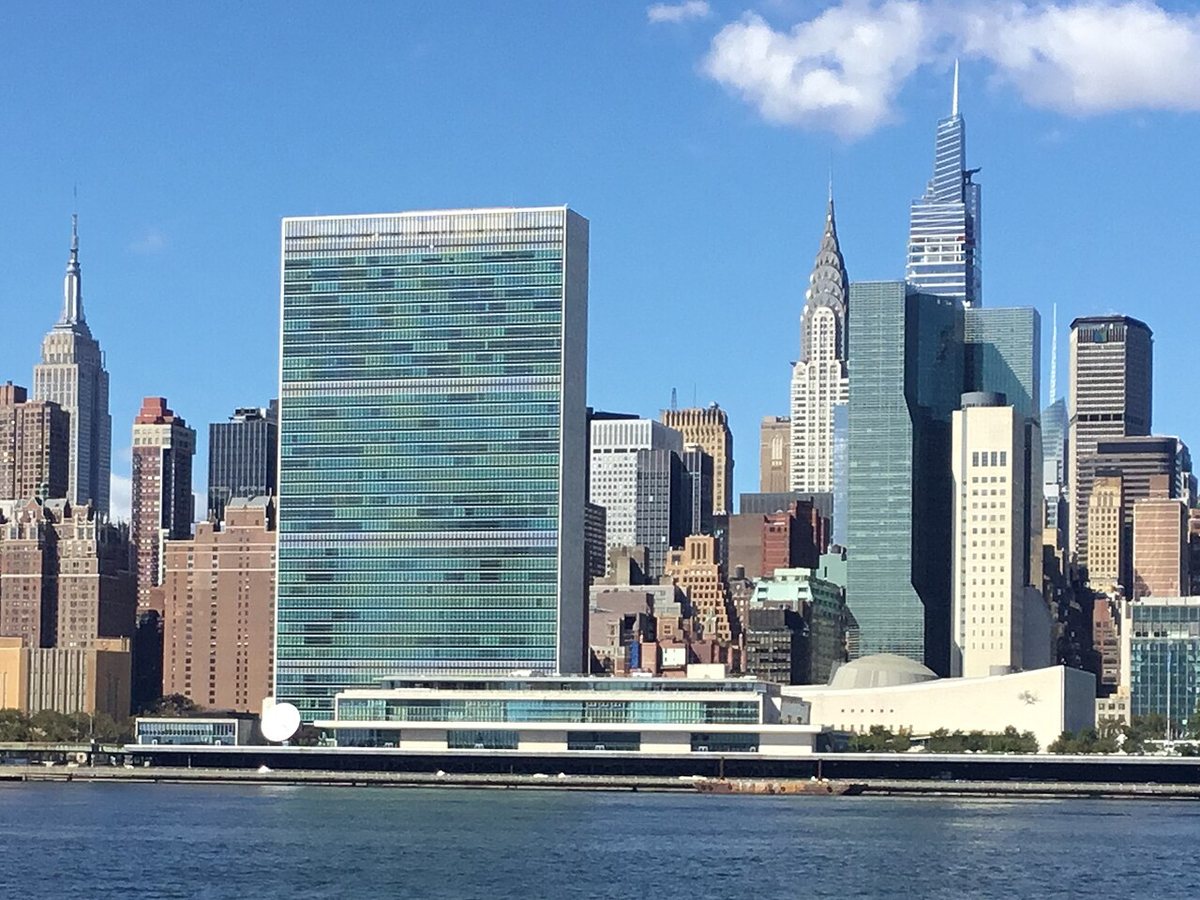
The Security Council has been asked to approve a commemorative replica of the mission's headquarters, built to full scale for official use in New York.