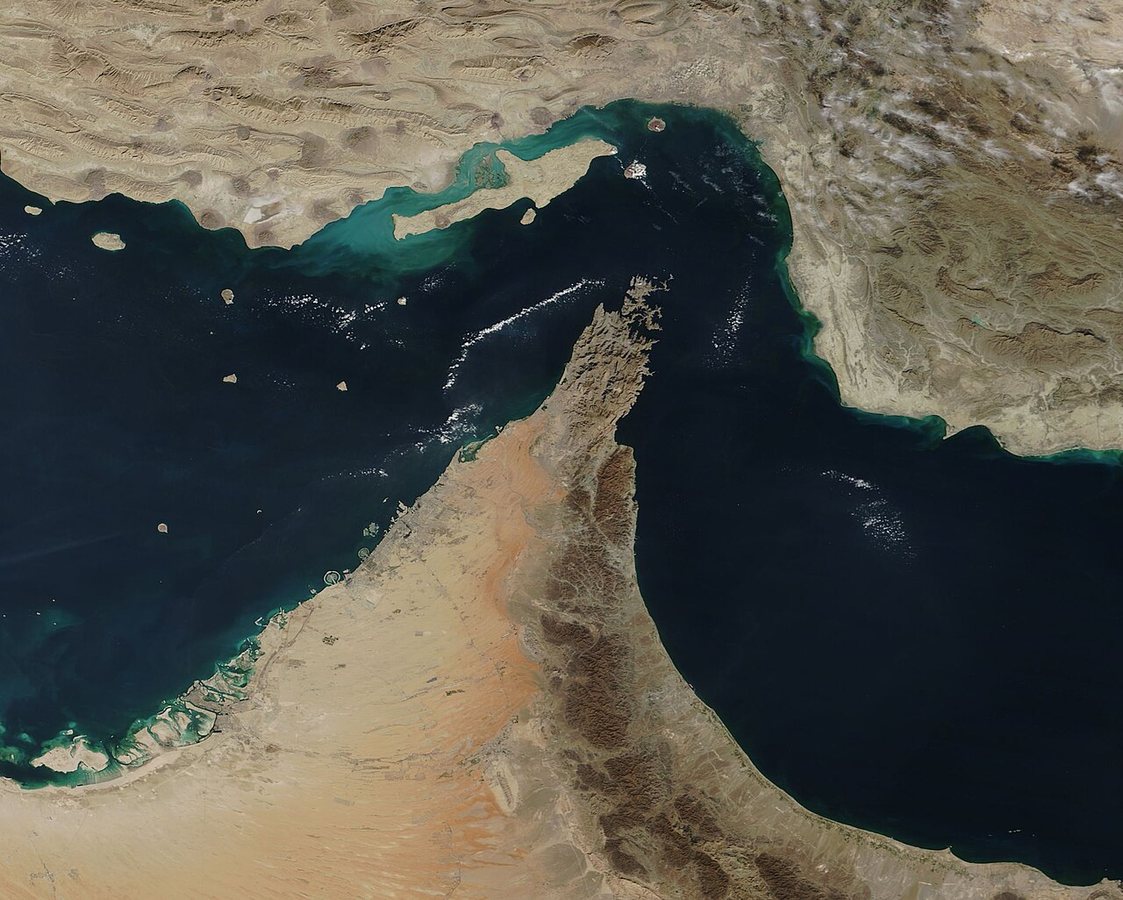
OPEC announced today that all member nations will immediately cease using tankers and pipelines, and will instead transport every barrel of crude oil through a continuous human bucket brigade stretching from the Strait of Hormuz to the port of Rotterdam. The first link of the chain, composed of 40,000 Venezuelan pump workers, was seen passing the first bucket of heavy crude hand-over-hand at dawn.
«The market has been destabilized by rumors of supply disruptions and a potential deal in the Strait,» said OPEC Secretary General Haitham Al Ghais, standing at the head of the line with a clipboard and a whistle. «A bucket brigade cannot be sanctioned, cannot be blockaded, and cannot be rerouted. It is the most secure form of energy infrastructure ever devised.»
Each participant is required to carry a standard 12-liter bucket for eight-hour shifts, passing it to the next worker in a chain that crosses three continents. The organization has calculated that the brigade will require 2.3 million workers, 180,000 rest stations, and a dedicated fleet of 15,000 water trucks to keep the carriers hydrated. The first bucket is expected to arrive in Rotterdam in approximately 14 months.
«We have already begun training camels to carry spare buckets,» added Al Ghais, noting that the organization has purchased 500,000 pairs of industrial rubber gloves. «The Saudis have volunteered to handle the Red Sea segment, though they have requested longer shifts to avoid the heat of midday.»
Global oil prices edged lower on the news, as traders struggled to calculate the logistics of the operation. Meanwhile, the Venezuelan government has announced it will double its contribution to the brigade, offering 80,000 workers in exchange for a guaranteed spot at the front of the line, where the oil is still warm.