The 2026 Nobel Prize in Physics has been awarded for work that transformed Antarctica's ice sheet into a telescope for the cosmos. The prize recognizes the development of a detector embedded deep in the polar ice that captures neutrinos — ghostly particles that travel across the universe almost entirely unimpeded.
The award highlights how an extreme environment on Earth can serve as a scientific instrument. By instrumenting a cubic kilometer of Antarctic ice with sensors, researchers created a medium that records the faint flashes of light produced when neutrinos interact with ice molecules. That approach turned a remote and hostile landscape into a functioning observatory for astrophysics.
Neutrinos are notoriously difficult to detect because they rarely interact with matter. The Antarctic detector overcomes this by monitoring a vast volume of clear ice, where the rare interactions can be captured and studied. The signals allow scientists to trace neutrinos back to their sources, which include some of the most energetic phenomena in the universe.
The prize committee cited the achievement as a breakthrough in both physics and astronomy. It opens a new way of observing the cosmos, complementing traditional telescopes that rely on light, radio waves, and other forms of electromagnetic radiation. Neutrino astronomy can reveal processes that are invisible to those instruments, such as the inner workings of supernovae and the acceleration of particles in distant galaxies.
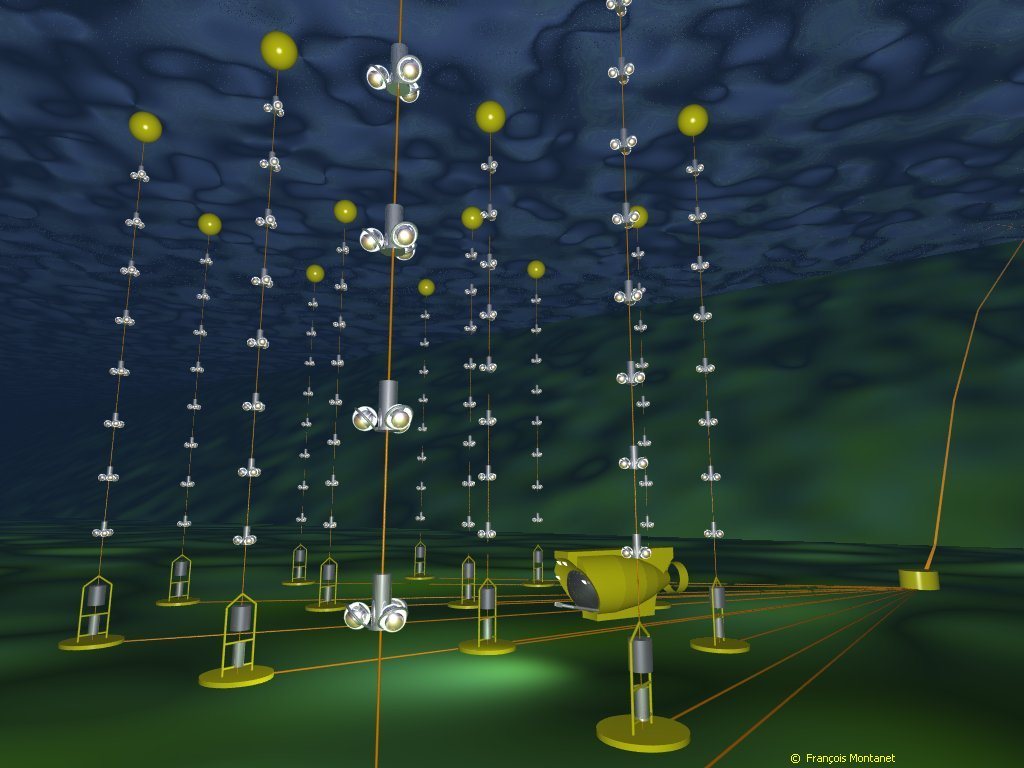
Building the detector required years of work in one of the most inhospitable places on the planet. Teams drilled deep holes into the ice and lowered strings of optical sensors into them, creating a three-dimensional array that can pinpoint the direction and energy of neutrino events. The ice itself acts as both the target and the detection medium, a design that has proven both elegant and effective.
The recognition comes as the field of multimessenger astronomy continues to grow. By combining neutrino observations with data from gravitational-wave detectors and conventional telescopes, researchers hope to build a more complete picture of violent cosmic events. The Antarctic instrument is a central part of that effort, providing a unique channel of information that no other observatory can match.
The Nobel Prize also underscores the value of long-term investment in basic research. The detector was built through international collaboration and sustained funding, and its scientific returns have extended far beyond the original goals of the project. It has trained a generation of physicists and engineers and has spurred advances in sensor technology and data analysis.
For the public, the award is a reminder that some of the most profound discoveries come from looking at the universe in entirely new ways. The ice of Antarctica, once seen only as a frozen wilderness, now serves as a lens on the most distant and energetic events in the cosmos. The 2026 physics laureates are honored for making that transformation possible.