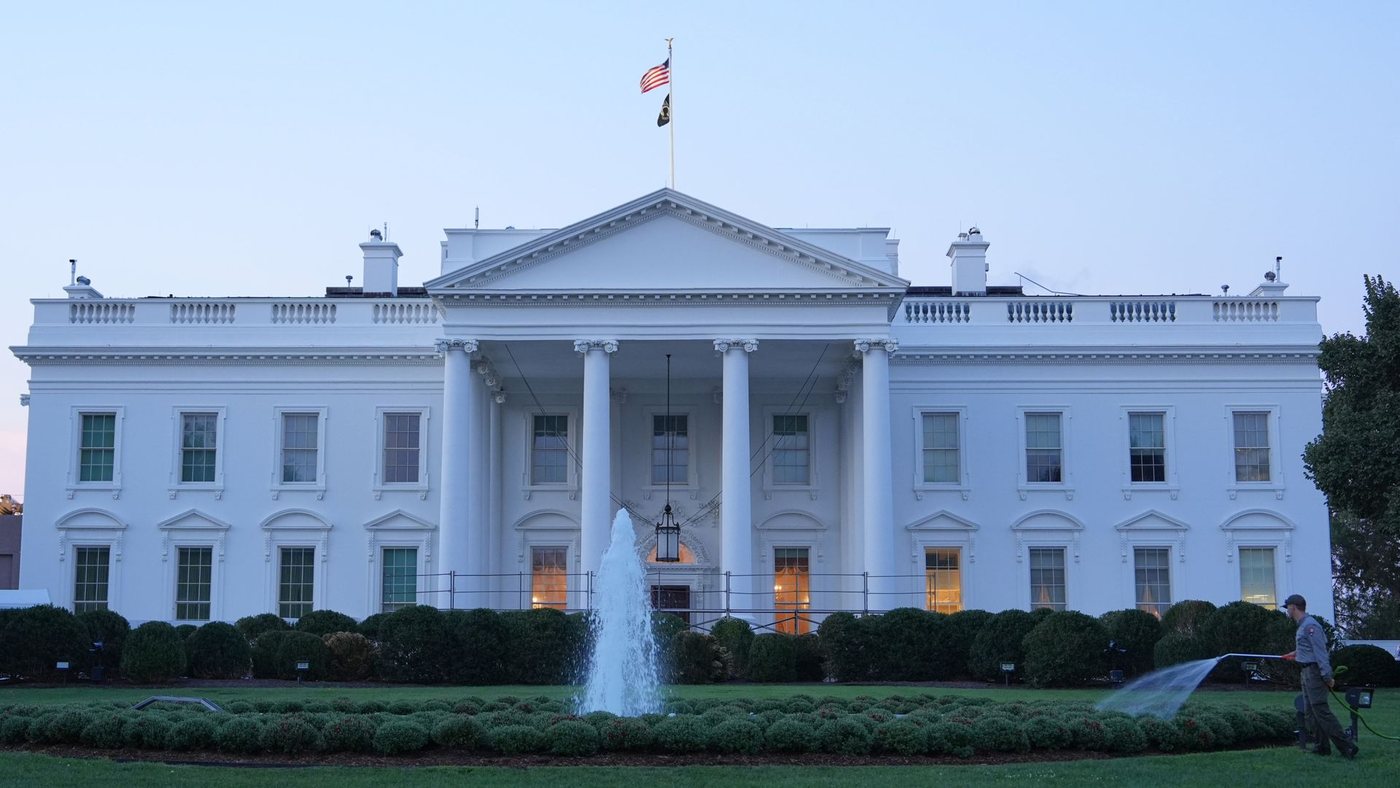
Three American news organisations are preparing to sue the White House after being excluded from press access, setting up a First Amendment confrontation with the Trump administration over the terms on which journalists may cover the president.
CNN, MS NOW and Politico announced their intention to file a joint lawsuit within hours of being barred from White House premises. The three outlets said in a joint statement that the exclusion «threatens press freedom and the public's right to independent journalism free from government interference».
The dispute escalated rapidly after the ban was imposed. President Donald Trump responded on his Truth Social platform, writing: «The White House is not instituting an assault on the Free Press, something which I cherish.» In the same message, however, he renewed his long-running criticism of what he calls «fake news» media, a phrase he has used for years to describe coverage he disputes.
The case is expected to turn on whether the executive branch can selectively withdraw access to the working space and briefing facilities that generations of reporters have used to cover the presidency. The White House Correspondents' Association has historically negotiated pooled access arrangements on behalf of newsrooms, and courts have generally treated the briefing room as a limited public forum rather than a space the president may open and close at will.
Legal specialists note that while no outlet has an absolute right to a designated seat, government officials may not punish or exclude journalists solely because they dislike their coverage. That principle has been tested in earlier disputes over revoked press credentials, and the outcome of any suit could reshape how the modern White House manages the press corps.
The practical consequences extend beyond the three named outlets. A ban on CNN, MS NOW and Politico removes their correspondents from daily briefings, pooled reports and the informal exchanges that often produce the most consequential stories about the executive branch. Other newsrooms are watching closely, because a precedent that allows exclusion on the basis of editorial line could be applied to them next.
For the public, the immediate effect is a narrower flow of independently gathered information from inside the White House. The three outlets argue that this is precisely the harm the First Amendment is designed to prevent, and that the remedy must come from the courts rather than from the administration's own discretion.
The timing is notable. The announcement came as the president was preparing to travel to the United Nations General Assembly, where American press freedom is already a subject of international commentary. Allies and rivals alike use such episodes as evidence in debates about democratic norms, and the lawsuit will be read abroad as a test of how far the executive can go in controlling the press at home.
No filing date has been confirmed, and the White House has not indicated whether it will restore access while litigation proceeds. The three outlets say they intend to press the case regardless, framing it as a defence of the public's right to independent reporting rather than a commercial dispute between broadcasters and the government.
If the suit proceeds, it will join a growing body of litigation over executive power and media access. The central question — whether a president may bar specific news organisations from the White House because of their coverage — is one the courts have rarely had to answer so directly, and the answer will shape relations between the presidency and the press for years to come.