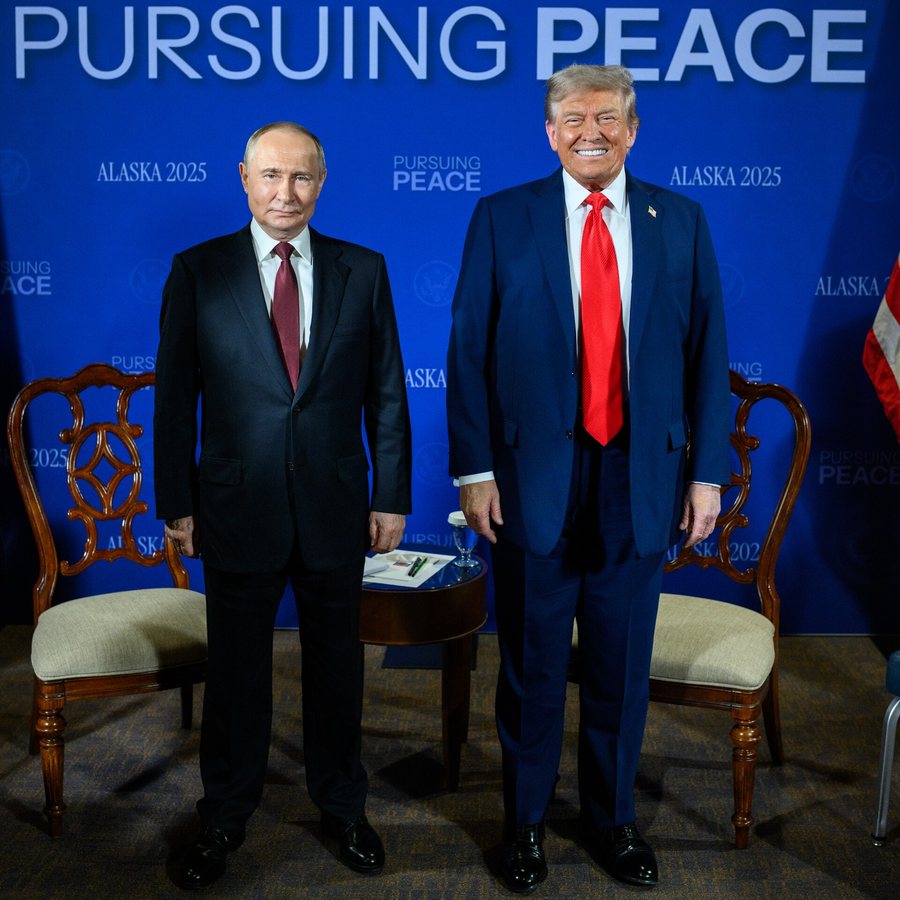
President Donald Trump and Russian President Vladimir Putin spoke by phone for about an hour on September 8, extending a burst of diplomacy that followed visits by U.S. envoys Steve Witkoff and Jared Kushner to Moscow and Kyiv. The Kremlin described the call as constructive. What did not follow was just as significant: there was no announced ceasefire, no public framework for ending Russia’s war in Ukraine and no evidence that the military pressure on Ukraine had eased.
That distinction matters because the diplomatic calendar has become increasingly crowded while the basic security problem remains unresolved. Washington has kept open a direct channel to Putin, and the administration is testing whether personal engagement can produce movement where earlier negotiations stalled. Ukraine, meanwhile, is still asking partners for more Patriot air-defense capacity as Russian strikes continue to threaten cities and critical infrastructure.
The call came after a short pause in attacks gave way to renewed strikes. That sequence makes it difficult to judge the diplomatic effort by tone alone. A conversation can be described as constructive and still leave the principal questions untouched: whether Russia is prepared to reduce military pressure, whether Ukraine will receive enforceable security guarantees, and whether any negotiating process can proceed without treating continued attacks as normal background noise.
According to the Kremlin’s account, Putin told Trump that Russia has no aggressive plans toward Europe. That assertion arrives in a security environment transformed by the war. European governments have increased defense spending, reinforced NATO’s eastern flank and raised alarms about Russian hybrid activity. For them, reassurance from Moscow is unlikely to carry the same weight as observable changes in Russian policy and military behavior.
The White House had not offered a comparable detailed public account of the call when the Associated Press reported on it. That leaves the Kremlin’s language as only one side of the immediate narrative. It also makes the next U.S. steps more important than the adjectives attached to the conversation. If Washington sees the call as progress, the practical evidence could emerge through pressure for a ceasefire, new sanctions, additional air-defense support for Ukraine or a more defined negotiating sequence.
Kyiv’s position is especially important because diplomacy conducted over Ukraine’s future cannot be separated from Ukraine’s ability to defend itself. President Volodymyr Zelensky has continued to seek more Patriot systems and interceptors. The demand is not peripheral to negotiations. Air defense shapes whether Ukrainian cities can withstand the period in which talks are being explored and whether Russia can use strikes on infrastructure as leverage.
The United States also faces a credibility test with European allies. Trump has repeatedly favored direct leader-to-leader diplomacy, while governments across Europe have argued that Russia should be judged by its actions and that Ukraine should not be pushed into an arrangement that simply freezes vulnerability. A process that produces meetings without reducing attacks would deepen that concern. A process that combines diplomacy with deterrence would look materially different.
The next point of attention may come later this month. The Associated Press reported that Zelensky is seeking another meeting with Trump around September 20. That would give the Ukrainian president an opportunity to hear the U.S. assessment directly and to press for the military support Kyiv says it needs before winter.
For now, the September 8 call is best understood as continuation rather than breakthrough. Trump and Putin are talking, American envoys are moving between capitals and the diplomatic channel remains active. But the measure of success is not whether Moscow calls a conversation constructive. It is whether Russia’s war effort changes, whether Ukraine’s security improves and whether a negotiating process begins to produce commitments that can be seen and enforced.