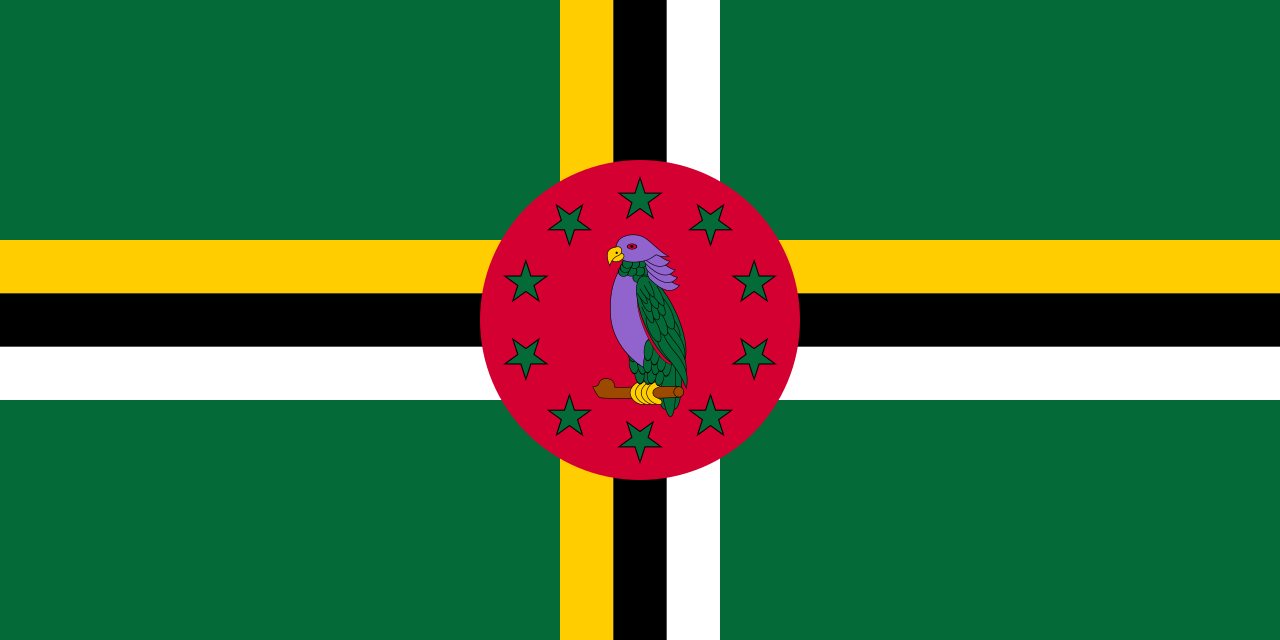
Dominica is observing October as Creole Heritage Month, with a programme of activities aimed at strengthening the Kwéyòl language and bringing young Dominicans into the heart of the island's Creole traditions.
The month-long observance is organised around the annual Jounen Kwéyòl celebrations, which fall on the last Friday of October. Communities across the island are expected to host events featuring traditional Creole food, music, dance and storytelling, with the main national activities centred in Roseau and other districts.
Organisers say this year's focus is on youth participation, with schools and community groups encouraged to take part in activities that promote the everyday use of Kwéyòl. The language, which is spoken widely across the island, has been the subject of ongoing efforts to ensure it is passed on to younger generations.
Creole Heritage Month is a significant period in Dominica's cultural calendar, reflecting the island's history and its place in the wider Creole-speaking Caribbean. The observance is marked alongside similar celebrations in other islands, including Saint Lucia, where Jounen Kwéyòl is also a major annual event.
In Dominica, the month typically includes church services in Kwéyòl, cultural performances, culinary fairs and educational activities. Radio and television programmes also feature Creole music and discussion of the language's role in national life.
The Kalinago Territory is also expected to feature in this year's programme, with cultural exchanges that highlight the island's indigenous heritage alongside its Creole traditions. Dominica's cultural identity is often described as a blend of Kalinago, African, European and Caribbean influences.
Officials have encouraged Dominicans at home and in the diaspora to take part in the month's events, whether in person or through the growing number of online broadcasts and social media activities that connect the island with communities abroad.
Jounen Kwéyòl itself remains the high point of the month, with vendors, artists and performers gathering in towns and villages. The event is known for its focus on traditional foods such as callaloo soup, bakes and accra, as well as crafts and Creole dress.
For many Dominicans, the month is an opportunity to reflect on the importance of language and culture in national development. Educators have long argued that greater use of Kwéyòl in schools and public life can help strengthen literacy and cultural confidence among young people.
The observance takes place as Dominica continues to promote its cultural heritage as part of its tourism product, with visitors often drawn to the island's music, festivals and traditional way of life. Creole Heritage Month is seen as both a celebration and a statement of identity for the Nature Isle.
Further details of the national programme are expected to be released by organisers as the month progresses, with communities across the island preparing their own local events.