Maryam Moshiri has spent the past two years delivering some of the world's biggest stories while privately managing one of her own. The BBC News chief presenter has revealed that she was diagnosed in November 2024 with polycythaemia vera, a rare blood cancer that can be treated and controlled but is not currently curable in the usual course.
Moshiri, 49, said she decided to speak publicly now because she has had time to understand how the disease affects her life. She is also using the disclosure to support Blood Cancer UK's Here for This campaign, which focuses on the everyday moments people lose to treatment, hospital visits and side effects.
The diagnosis adds a different context to a period in which Moshiri remained highly visible on television. She continued anchoring long live broadcasts, travelled for major assignments and reported from the Vatican during one of the biggest international stories on the BBC's schedule. Viewers saw the polished on-air version. Away from the cameras, she says, chronic fatigue could leave her with almost no energy.
That contrast is central to her account. Live television can reward adrenaline, concentration and the ability to keep moving. Chronic illness does not disappear when the red light comes on. Moshiri has described holding herself together through demanding shifts and then feeling the physical cost afterward.
At home, the same fatigue affected ordinary family life. Moshiri is a mother of three, and she has said there were times when she could not play with her children or take part in the routines she once took for granted. She eventually had to explain why she was spending more time resting and going to medical appointments.
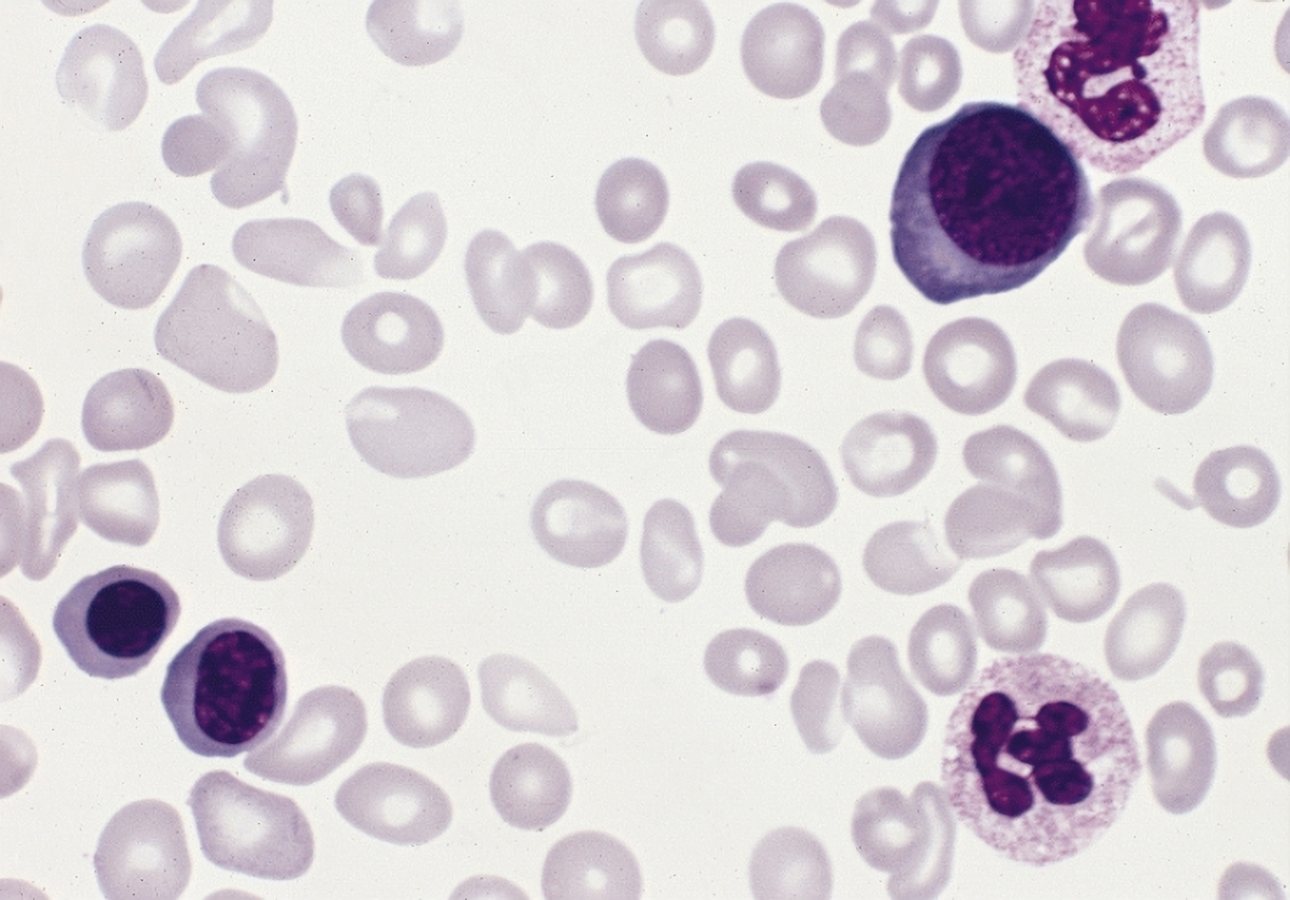
Polycythaemia vera, usually shortened to PV, is a myeloproliferative neoplasm in which the bone marrow makes too many red blood cells. The excess cells make the blood thicker and increase the risk of clots that can cause deep vein thrombosis, heart attack or stroke. Some patients experience headaches, dizziness, blurred vision, itching, night sweats or severe tiredness, but the disease can also be found in people with few obvious symptoms.
Moshiri said that was largely her experience at diagnosis. Routine blood testing prompted further investigation even though she did not feel seriously ill. Her early treatment included repeated venesections, a procedure in which blood is removed to lower the concentration of red cells.
She later moved to interferon-based treatment. That phase brought difficult side effects, including headaches, insomnia and intense itching. In November 2025, she switched to weekly Pegasys injections, which she says have been more effective for her, though fatigue remains.
The medical goal in PV is long-term control. Treatment can include venesection, drugs that reduce blood-cell production and, for some patients, low-dose aspirin to reduce clot risk. The exact plan depends on factors such as age, blood counts, symptoms and a person's history of clotting.
For a public figure whose work is built around appearing composed in real time, Moshiri's disclosure also challenges the assumption that visible performance tells viewers much about a person's health. She was still doing the job, sometimes at a very high level of intensity, while treatment reshaped the hours before and after the broadcast.
Her story is not a farewell from television. It is a decision to make a hidden part of her life visible, partly so that other people with blood cancer feel less isolated. The next chapter will still include BBC studios, assignments and hospital appointments — the mix of ordinary and extraordinary that chronic illness often creates.