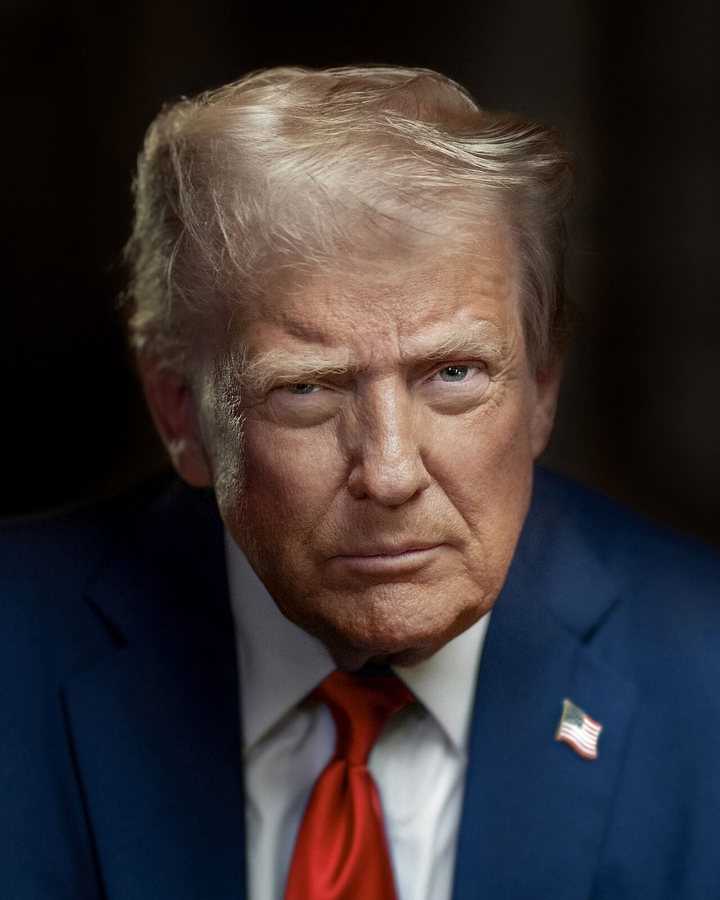
US President Donald Trump and Chinese President Xi Jinping are preparing to meet for a summit that could reshape the fragile economic relationship between the world's two largest economies. The encounter comes as both sides remain locked in disputes over trade tariffs, technology exports and strategic influence, with businesses and investors seeking clarity on whether the rivalry will intensify or ease.
The summit is expected to address a range of contentious issues, from agricultural purchases and intellectual property rules to restrictions on Chinese technology firms and US export controls on advanced semiconductors. Both administrations have signalled a willingness to talk, but neither has shown signs of abandoning core demands, leaving expectations for a breakthrough modest.
For the UK and other open economies, the outcome carries significant weight. Britain's trading relationships with both Washington and Beijing have been complicated by the broader US-China standoff, particularly in sectors such as automotive, pharmaceuticals and financial services. A further escalation could disrupt global supply chains and weigh on investment decisions already clouded by uncertainty.
Market analysts have pointed to several possible deliverables. A partial agreement on tariff relief, a resumption of large-scale Chinese purchases of US goods, or a framework for future negotiations are among the scenarios being discussed. However, any deal would need to overcome deep-seated differences over industrial policy, national security and the role of state-owned enterprises.
The summit also takes place against a backdrop of domestic political pressures in both countries. Trump has made tough-on-China rhetoric a central plank of his economic agenda, while Xi faces the challenge of sustaining growth amid a property sector downturn and weak consumer confidence. For both leaders, a summit that projects strength and delivers tangible benefits is politically valuable.
Technology remains one of the most difficult areas. US restrictions on chip exports to China have prompted Beijing to accelerate efforts to build domestic capacity, while American firms warn of lost market share and unintended consequences for global innovation. Any discussion of easing these controls would be closely watched by the semiconductor industry and its investors.
Diplomatic observers suggest the meeting may also touch on broader geopolitical flashpoints, including Taiwan, the South China Sea and the war in Ukraine. While these issues are unlikely to yield concrete agreements, they will shape the atmosphere and the willingness of both sides to compromise on economic matters.
For British businesses, the key question is whether the summit produces a more predictable trading environment. Companies have long complained about the spillover effects of US-China tensions, from sanctions compliance to supply chain reconfiguration. A stabilisation of relations, even if partial, would be welcomed by exporters and investors alike.
The run-up to the summit has seen a flurry of diplomatic activity, with officials from both sides meeting to lay the groundwork. Lower-level talks have focused on technical issues such as customs procedures and market access, but the most sensitive decisions will rest with the two presidents.
Expectations remain tempered by past experience. Previous summits have produced warm words and limited follow-through, with tariffs often remaining in place and tensions resurfacing within months. This time, however, the economic stakes are higher, with global growth slowing and both economies facing distinct domestic challenges.
What emerges from the meeting will be scrutinised not only in Washington and Beijing but also in London, Brussels and Tokyo. For a world economy still recovering from the pandemic and grappling with inflation, the direction of US-China relations remains a critical variable. A summit that reduces friction, even modestly, could provide a measure of relief. A failure to find common ground would deepen the uncertainty that has already reshaped global commerce.