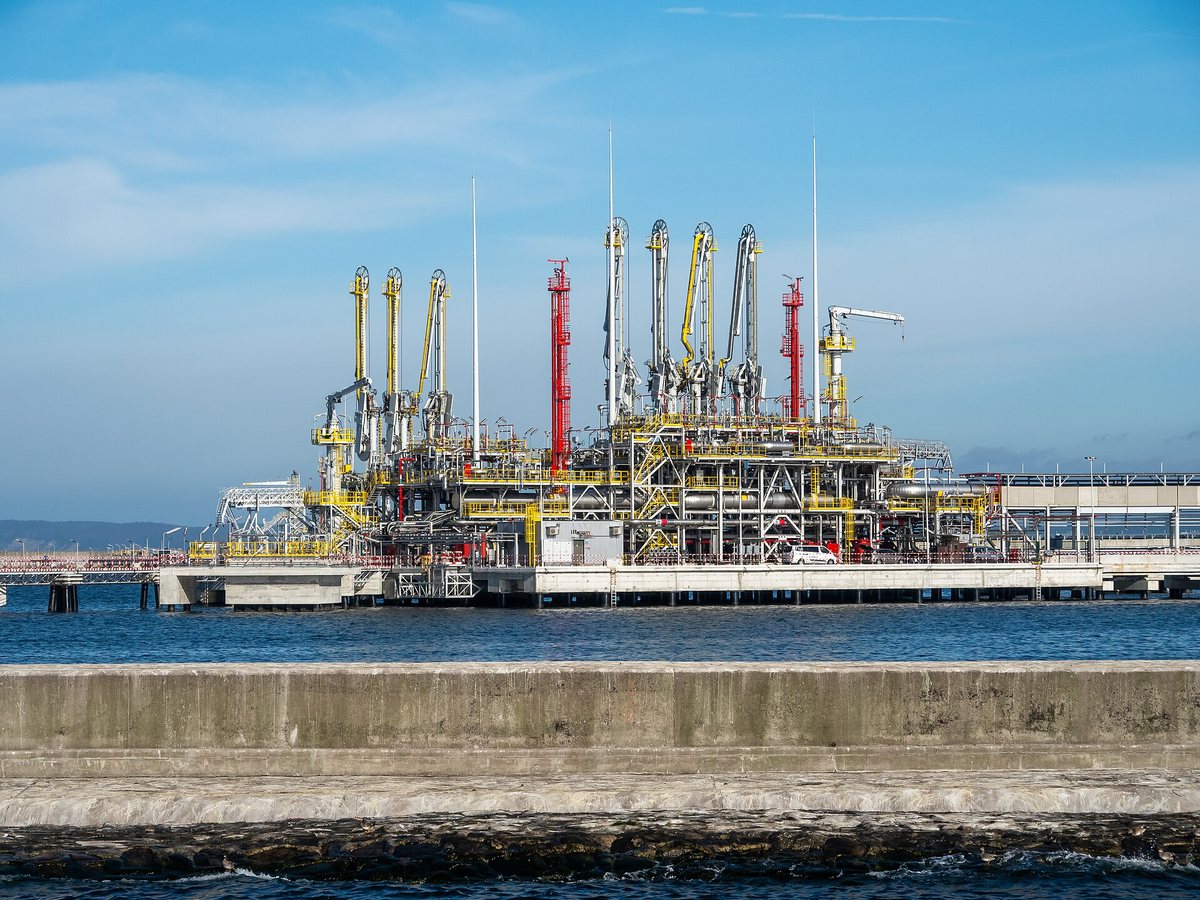
Europe is entering the shoulder season with a gas problem that looks different from the crisis of 2021–22. The immediate concern is not that the continent is about to run out of fuel. It is that a more resilient physical system is being repriced by geopolitical risk and uncertainty around LNG supply.
On September 8, European gas was trading at nearly €74 per MWh. The move came amid concern about further disruption to energy transport linked to the situation in the Middle East.
The storage picture is reassuring in Poland. Gas Infrastructure Europe reported EU storage at 66.9% on September 7, while Poland stood at 96.16%. That gives Warsaw a strong physical buffer heading into autumn.
The European Commission’s Gas Coordination Group said on September 3 that there was no immediate security-of-supply risk. Officials pointed to greater diversification, more LNG import capacity and lower demand than during the earlier energy crisis.
But resilience is not the same as cheap energy. A system can have enough gas and still face a damaging price shock if cargoes become more expensive, shipping routes are disrupted or buyers compete aggressively for flexible supply.
Poland illustrates the difference between security and price exposure. Its storage is nearly full and its LNG infrastructure has widened access to non-Russian supply. Yet Poland remains connected to the European market, so a high continental benchmark still influences commercial procurement and future pricing decisions.
For Polish households there is also a regulatory buffer. The URE extended the myORLEN tariff through the end of 2026, keeping the gas sales price at 197.29 zł/MWh for covered household groups.
That does not eliminate the risk for industry or future tariffs. If high wholesale prices persist, they can feed into business costs, future contracts and eventually regulated pricing decisions.
The next few weeks will therefore be about routes as much as reserves: LNG availability, shipping stability, autumn temperatures and the pace at which storage can be maintained. Poland starts from a strong inventory position, but it cannot disconnect itself from Europe’s price risk.