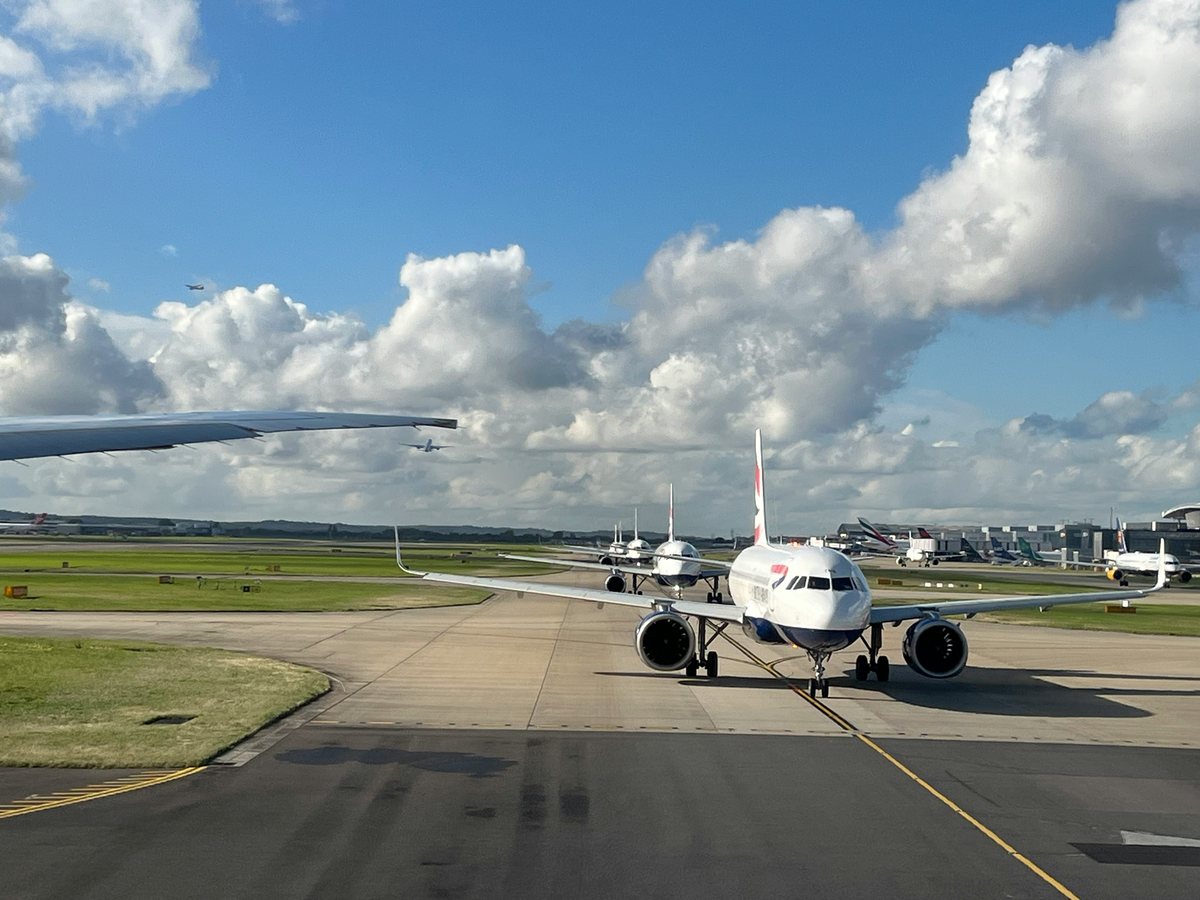
More than 1,000 flights had been cancelled by late Tuesday after a technical failure in Britain’s air-traffic-control system caused severe disruption at Heathrow, Gatwick and airports across the country.
NATS, the company responsible for managing much of the UK’s air traffic, said the problem involved its flight-processing system. Engineers implemented a fix and the company later said the issue had been resolved, with operations returning to normal while controllers worked to clear the backlog.
The numbers rose sharply during the day. Associated Press reported at least 625 cancellations earlier on Tuesday. By 22:00 GMT+2, Euronews reported, citing Flightradar24, that the total had passed 1,000. The disruption affected Heathrow, Gatwick, Manchester, Birmingham, Stansted and London City, among other airports.
Major carriers were forced to alter schedules. British Airways and easyJet cancelled services, while KLM and Lufthansa were among continental airlines affected by the UK failure. Because aircraft operate a chain of sectors throughout the day, one cancelled or heavily delayed flight can create problems several hours later in another country.
That is why the end of the technical fault does not mean the end of the travel disruption. Aircraft may be parked away from their planned overnight bases, crews can reach legal working-time limits and connecting passengers need to be moved onto later flights. Airport departure boards may therefore remain unsettled into Wednesday even if NATS systems are functioning normally.
Passengers should check the status of their flight with the airline rather than relying on the original booking time. Those already at airports should follow carrier instructions and retain receipts for reasonable expenses caused by cancellations or long delays. Rights to care, rerouting or reimbursement depend on the circumstances and the journey, but passengers should not assume they must simply absorb every extra cost themselves.
The failure also raises questions for government and the aviation industry. Britain’s airspace is among Europe’s busiest, and its major airports are central to international business and tourism. A failure in the systems used to process flight plans can therefore become a national transport problem within minutes.
This is not only a story about inconvenienced holidaymakers. A prolonged interruption affects airport workers, time-sensitive business trips, airline finances and cargo movements. It can also place pressure on rail services and hotels when large numbers of people are suddenly unable to travel.
NATS has not yet provided a complete public account of the root cause. That explanation will matter because the industry will want to know whether the failure was isolated, whether redundancy systems behaved as designed and whether operational procedures limited the damage.
For now the priority is recovery. Airlines are trying to rebuild their schedules while airports process passengers who were delayed or stranded. The most useful indicator on Wednesday morning will not be whether the technical system is back online — NATS says it is — but how much of the disrupted network has actually been put back in place.