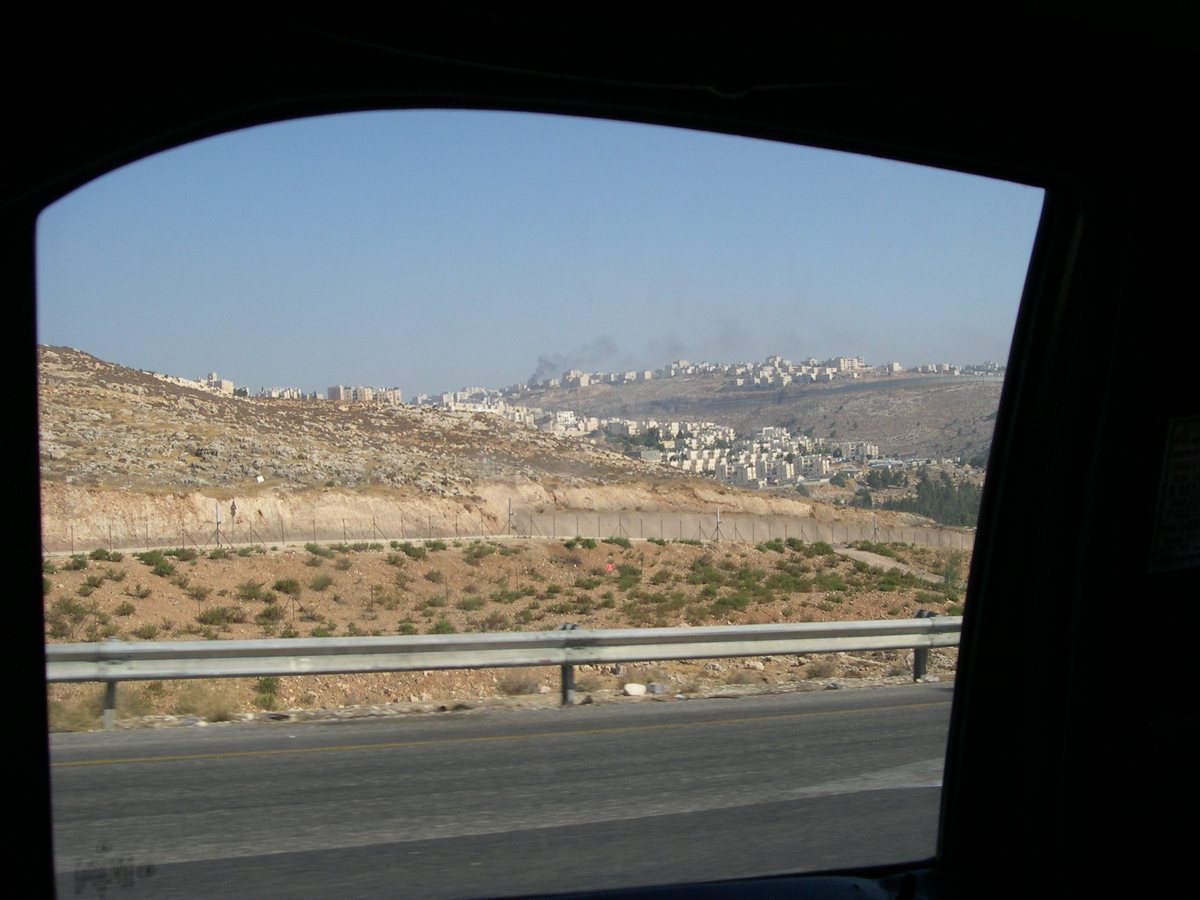
The United Kingdom has joined France, Canada and nine other countries in turning a long-running diplomatic objection to Israeli settlements into a trade-policy commitment. In a joint statement issued on September 8, the 12 foreign ministers said they intend to introduce national restrictions, support European restrictions, or actively consider measures on trade in goods from settlements they regard as illegal under international law.
The group comprises Canada, Denmark, Finland, France, Iceland, Ireland, Norway, Poland, Portugal, Spain, Sweden and the UK. The wording matters because not every country is at the same legal stage. This is not a single 12-country embargo taking effect on one date. It is a political coalition whose members are using national and European routes according to their own procedures.
Britain is among the countries making the clearest commitment. The joint statement says the UK, France and Canada will bring forward national measures to ban trade in settlement goods. It also welcomes action already taken by Ireland, Spain, the Netherlands, Norway and Belgium.
For British businesses, the distinction between Israel and settlements will be central. The measure is directed at goods associated with settlements in the occupied West Bank, not at all trade with Israel. Any national legislation will therefore need workable rules on origin, documentation, customs enforcement and the responsibilities of importers when supply chains cross disputed territory.
That turns a foreign-policy position into a compliance problem. Retailers, distributors and financial institutions may have to verify information that previously carried mainly reputational significance. The details are not yet settled, and firms should not assume the final rules until the government publishes them. But the direction is now explicit.
The diplomatic rationale is equally clear. The 12 countries say settlement expansion, settler violence and the E1 project are undermining the possibility of a viable Palestinian state. They oppose measures amounting to annexation and the forcible displacement of Palestinians, and they present the trade step as a way to defend the two-state framework.
At the same time, the statement recognises Israel’s legitimate security interests and repeats the signatories’ condemnation of the Hamas attack of October 7. It also commits them to combating antisemitism. Those passages are politically important because the coalition is seeking to target settlement activity without presenting the policy as a rejection of Israel itself.
For the UK government, the challenge will be both legal and diplomatic. A narrowly drafted ban must be enforceable at the border and defensible under the country’s trade obligations. It must also sit alongside Britain’s broader commercial and security relationship with Israel, which the statement does not propose to end.
The move is also a test of whether middle powers can coordinate economic measures outside a single treaty framework. Some of the signatories are EU members, others belong to the European Economic Area, and Britain and Canada operate outside the EU. Their ability to align definitions and enforcement could determine whether the policy has more than symbolic effect.
The immediate next step is domestic. Until ministers publish the British measure, companies do not yet have the final scope, timetable or evidentiary requirements. Once those details arrive, the issue will shift from diplomatic language to procurement systems, customs declarations and supplier due diligence. That is where the coalition’s political promise will acquire its practical weight.