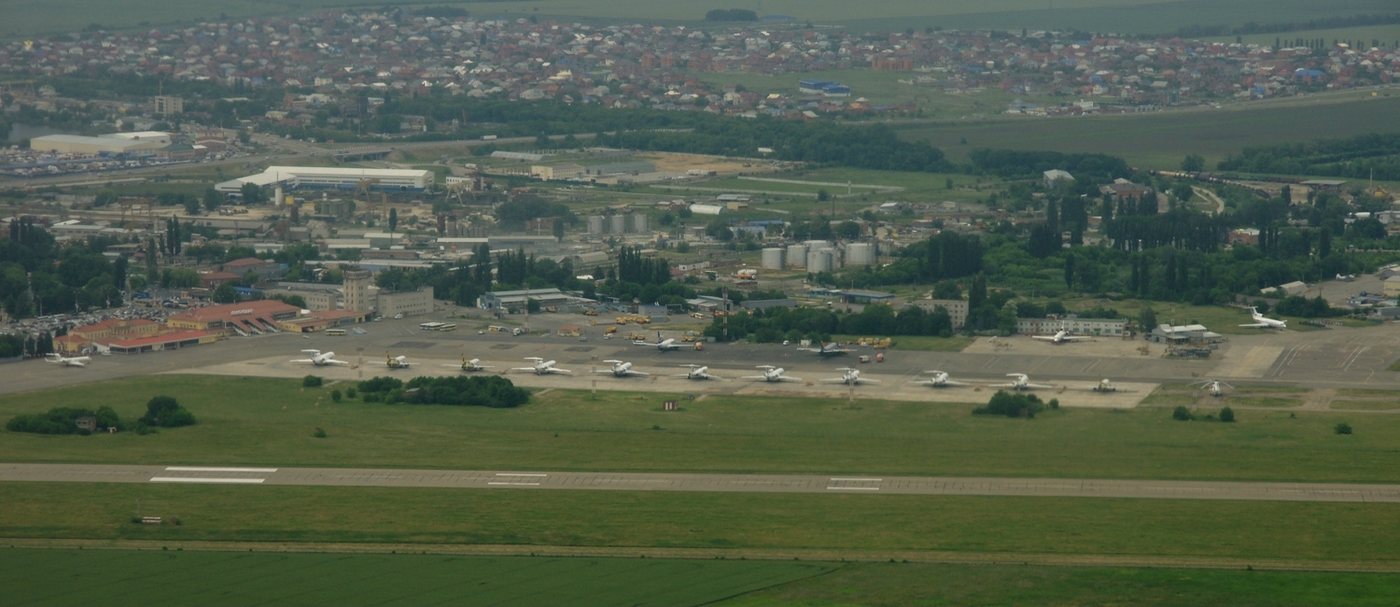
Russia’s expanding digital military-control system has produced a new kind of border case. On Sept. 2, a 24-year-old man from the Rostov region who had completed compulsory service in 2024 was prevented from flying out of Krasnodar after a military commissariat imposed a temporary restriction on his right to leave the country.
The rights project «Идите лесом!» says this is the first case known to it in which a man already in the reserve was not merely shown as restricted in a database but was actually stopped at the border. The organization is careful not to treat one case as evidence that Russia has imposed a blanket exit ban on all reservists. What the incident does reveal is the way several state systems now connect: military records, administrative decisions and border enforcement.
According to the reservist, he received a summons in November 2025 to update his military-registration details and reported to the commissariat. There he was given a mobilisation assignment. At some point later, however, the electronic summons registry displayed the same notice with a status saying he had failed to appear.
That disputed status was followed by a formal decision restricting his departure. The man said he had not seen a warning before arriving at the airport. During passport control, he was taken aside for additional checks and questioning. After roughly an hour, he was refused permission to leave and handed an official notice. He later filed a complaint through Russia’s Gosuslugi portal.
The sequence matters because it shows how a data discrepancy can become a physical barrier. A person can believe he has complied with a summons, while the central registry records the opposite. Once a military commissariat acts on that record and the decision reaches border systems, the dispute is no longer administrative in the abstract: it can stop a journey in real time.
Russian law also leaves a question about scope. Article 7.1 of the military service law and Article 15.1 of the exit law tie the automatic restriction to citizens subject to conscription for military service once a summons is entered in the registry. The provisions do not expressly create a universal automatic ban for every person already in the reserve.
There had been an earlier warning sign. «Идите лесом!» previously reported that another reservist saw an exit ban and other temporary measures in the registry. His military commissariat said the summons was a “system error,” making it impossible to know whether a deliberate restriction had actually been imposed. The new case removes that ambiguity at the enforcement end: border officers acted on the restriction.
The broader system is already affecting ordinary conscripts more often. Among cases reported to the project in the second half of August, 73 conscripts attempted to leave Russia directly. Fifty succeeded and 23 did not. Some said the restriction was absent or unknown before they reached border control. Those numbers are not a nationwide dataset, but they show substantial friction in a system where legal status, registry data and enforcement do not always move in a predictable sequence.
For Russia, the strategic value of such a system is obvious: it can reduce the gap between a military summons and the state’s ability to prevent a person from leaving. The administrative risk is equally clear. If erroneous records are difficult to challenge before travel, the same infrastructure can restrict people who fall outside the intended legal category.
The next cases will determine which interpretation is closer to reality. A successful appeal would point toward a serious error with immediate consequences. Repeated denials involving reservists would indicate a broader operational shift — one that could matter for Russia’s manpower policy, migration flows and the reliability of its new military data architecture.