Germany is preparing a security architecture that treats drones, video analytics and cyber defence as connected layers rather than separate technology projects. The plan, led by Interior Minister Alexander Dobrindt, follows the attempted attack at Leipzig/Halle Airport and could significantly alter how both public agencies and private infrastructure operators respond to hostile unmanned aircraft.
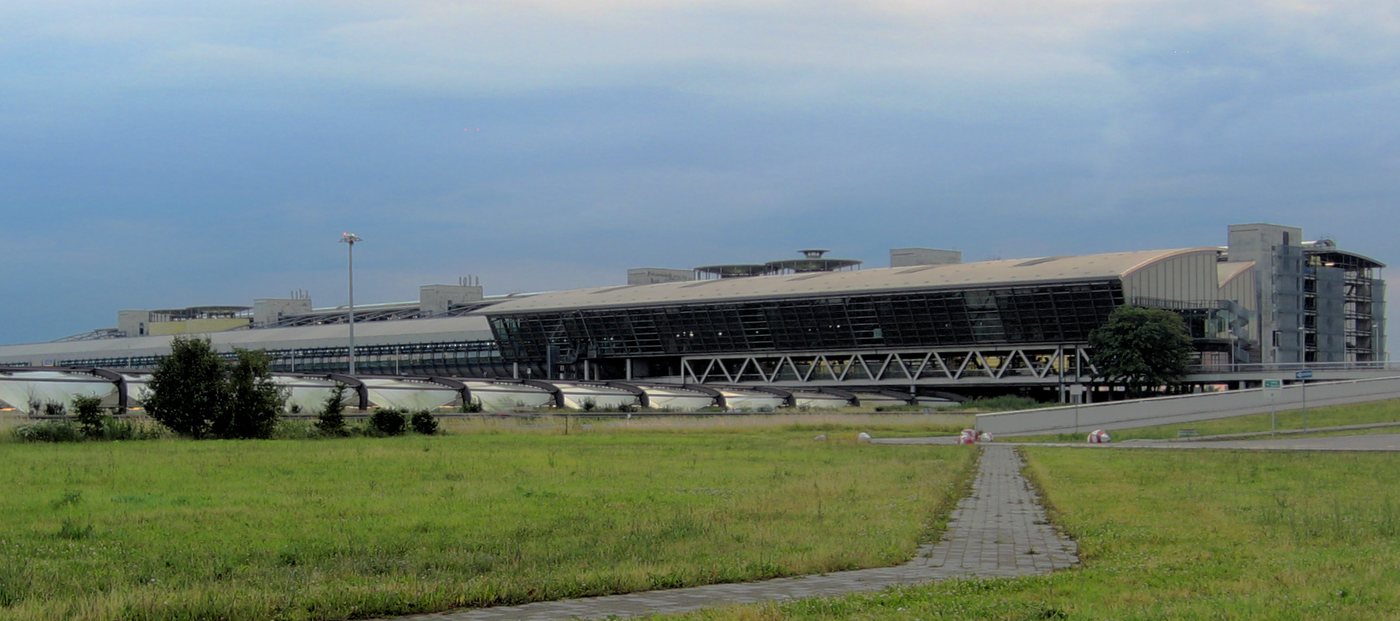
On 4 August, an explosives-laden drone was discovered at Leipzig/Halle near Ukrainian cargo aircraft. The German government later politically attributed the operation to Russia, saying police evidence, intelligence reporting and the method of attack pointed in the same direction. The criminal investigation continues, and Russia denies responsibility.
The physical layer of the new plan centres on rapidly deployable counter-drone units linked to nine strategic cities: Frankfurt am Main, Munich, Hamburg, Berlin, Stuttgart, Düsseldorf, Leipzig, Hanover and Cologne. According to BILD and subsequent German reporting, the units would be used to protect airports, railway stations, key transport hubs and Berlin’s government district.
Their mission is intended to go beyond detection. They would be expected to intercept hostile drones and support the neutralisation of drones carrying explosives or other recovered devices. Germany had already decided in August to expand the Federal Police’s specialist counter-drone force to 300 personnel and increase its operating locations, so the new nine-city concept appears designed to add geographic reach and faster response.
The most structurally important proposal may concern critical-infrastructure companies. Water utilities, electricity providers and defence manufacturers could receive legal powers to move from passive detection to active counter-drone measures. For business, this raises practical questions about approved technology, operator training, insurance, liability and the risk of disrupting communications or nearby aviation. Those details are not yet fully public.
A second technology layer involves AI surveillance. Dobrindt wants broader use of biometric facial recognition, automated video analysis and systems that identify weapons or behaviours classified as suspicious, particularly at railway stations. Similar proposals were public earlier in 2026, when the minister argued that modern camera networks should be paired with new software and legal authority.
The third layer is the “Cyberdome”, a proposed national sensor network intended to detect cyberattacks against government bodies and companies early enough to trigger defensive action. The idea reflects the same operating logic as counter-drone systems: distribute sensors, build a shared picture of threats and shorten the time between detection and response.
Germany has already amended aviation-security law to make military assistance to police easier in serious drone cases. The new plan would extend that multi-actor approach further by bringing private infrastructure operators into the defensive chain.
The unresolved issue is governance. A technical system can detect, classify and sometimes disable a target in seconds; legal responsibility moves more slowly. As of 6 September, the government had not released a complete timetable, budget or final rulebook for private counter-drone action. Those decisions will determine whether Germany’s shield becomes a coherent security platform or a set of powerful technologies operating under fragmented authority.