CAPE VERDE — A bus crash on the volcanic island of Fogo killed 25 people, most of them children and teenagers, prompting two days of national mourning and an official investigation into how the vehicle left a mountain road.
The crash occurred Saturday, September 5, between Chã das Caldeiras and Campanas de Cima. Local authorities said the bus went off the roadway and fell roughly 30 meters. Many of the passengers were pupils and teenagers returning from an excursion in the island’s highlands.
The outing had not been organized by the schools whose students were involved. Reuters reported that it was a private excursion organized by the bus driver, who was also killed. The distinction has become important as several school communities grieve students lost in the same disaster.
The latest medical update Monday morning put the death toll at 25, unchanged from Sunday. Thirteen people remained hospitalized on Fogo. One child had been discharged, while two hospitalized patients required closer observation. Hospital officials said those two patients were stable and that no transfer was planned at the time of the update.
Cape Verde’s government ordered a two-day period of national mourning beginning Sunday. Under the official resolution, flags were lowered to half-staff and public events were canceled. The municipality of São Filipe also mobilized support for relatives and survivors, including health services, police and firefighters.
Funerals began Sunday as communities on Fogo absorbed the scale of the loss. Inforpress reported that local schools were mourning pupils among the dead and that burial ceremonies were held in groups during the day. The reporting reinforced what national and international accounts had already established: children and adolescents make up most of those killed.
Authorities have not announced an official cause. Prime Minister Francisco Carvalho said the government would pursue a serious and deep investigation. That inquiry is expected to examine the bus, the road and testimony from survivors before determining what caused the vehicle to leave the roadway.
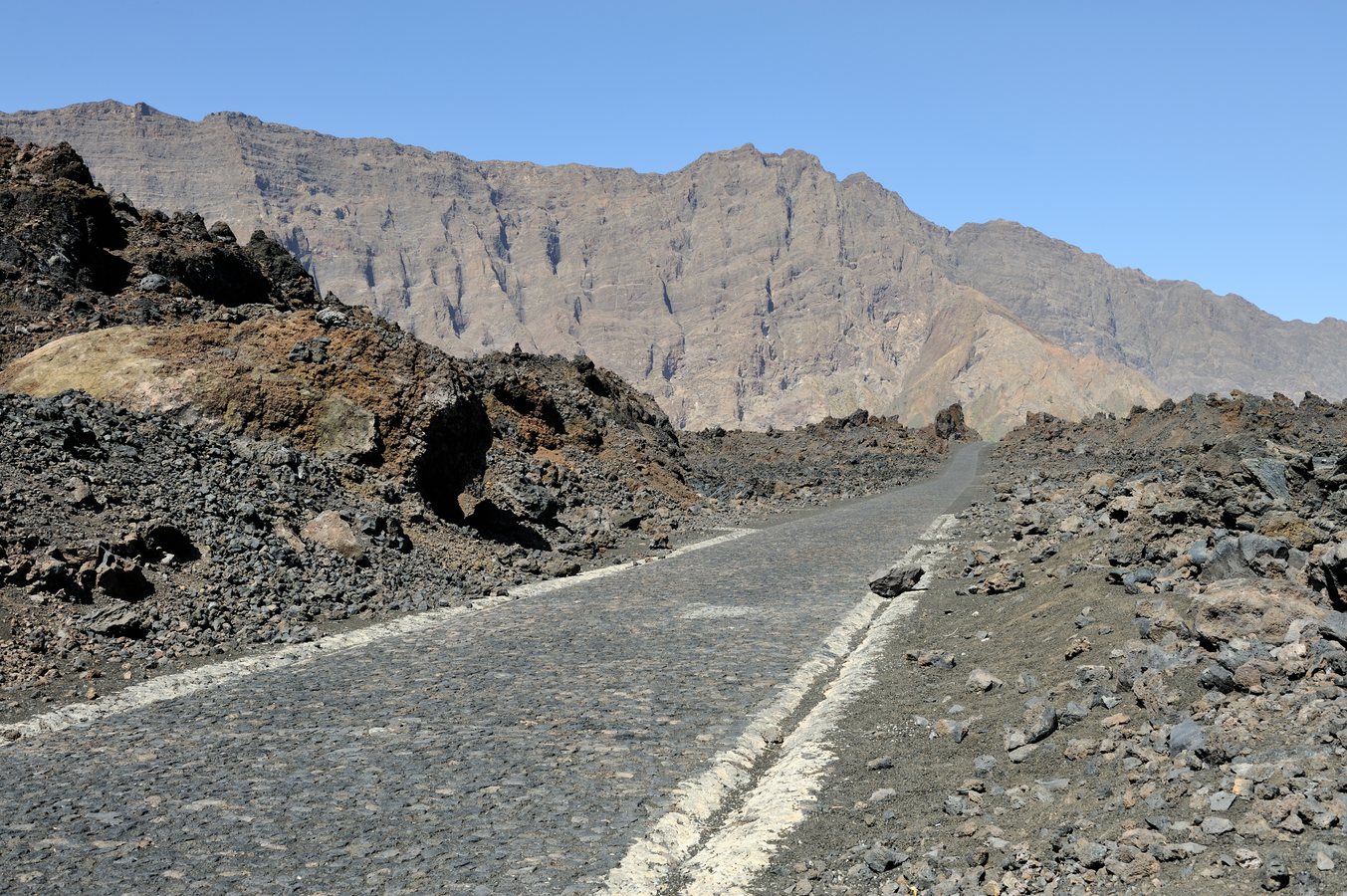
The setting is physically demanding. Chã das Caldeiras lies within Fogo’s volcanic interior near Pico do Fogo, and access roads cross steep, mountainous terrain. The geography is relevant to the reconstruction of the crash, but it is not itself evidence of a cause. Officials have not said whether a mechanical problem, driving error, road condition or another factor was responsible.
The accident has drawn condolences from abroad, including from leaders in Portugal, reflecting Cape Verde’s close ties with Portuguese-speaking countries. Inside the country, however, the response remains centered on the families, the hospital and the investigation.
Two timelines now matter. The first is medical: whether the 13 hospitalized survivors continue to improve after the child discharged Monday. The second is investigative: when authorities can move from a description of the crash to a documented explanation of why it happened.
Until then, the confirmed record is stark. A bus carrying many young passengers left a mountain road on Fogo, 25 people died, and communities that expected students home from an excursion instead spent the weekend preparing funerals. The national mourning period recognizes that loss; the inquiry will determine what, if anything, could have prevented it.