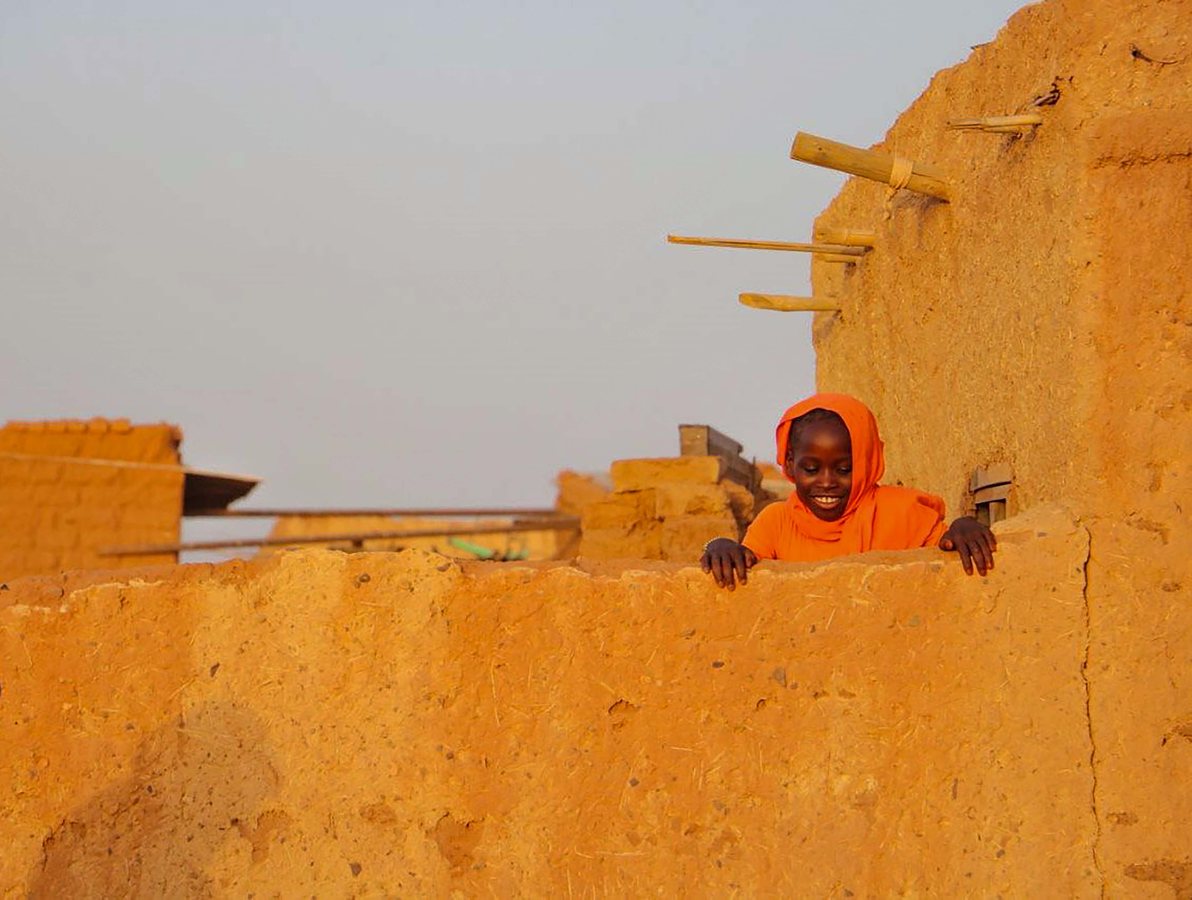
In Sudan, the meaning of “home” has become conditional. A family may be able to return to its town because the front line has moved, yet still find that the clinic is closed, the school is damaged, water is scarce and the road carrying food is unsafe. Three years of war have transformed survival into a geography of access: access to a functioning place, not simply to a point on a map.
IOM’s July 2026 figures capture the paradox. It estimated 8.62 million internally displaced people and almost 4.93 million returnees. The number of IDPs was roughly 26 percent below its peak and returns were rising. Those are signs of real movement toward home in some areas. Yet 55 percent of those still displaced were children, and many families have been uprooted more than once.
UNICEF’s story of 12-year-old Safaa, displaced from Kordofan, gives those numbers a human shape. She left her parents behind because they could not afford to travel. In displacement, she described water and food as the hardest daily problems and spoke of missing school, her home and her mother. UNICEF estimates about five million children have been forced from their homes across Sudan.
At the same time, the war’s active pressure is shifting toward Kordofan. The World Food Programme has called El Obeid a new epicenter of displacement and hunger. On Aug. 30, an aerial attack near Dilling in South Kordofan hit two clearly marked WFP trucks carrying food toward Kadugli. More than 50 metric tons were destroyed — enough for 5,800 people for one month.
The destruction of food on the road is more than a logistics problem. Around 19.5 million people have faced Crisis-level acute food insecurity or worse. During the June-to-September lean season, as many as 200,000 people were projected to be in Catastrophe conditions. Famine risk was identified in 14 areas through September. For a household near that edge, whether a truck arrives can be the difference between rationing and acute malnutrition.
Health care follows the same pattern. WHO said 37 percent of Sudan’s health facilities were nonfunctional in April and about 21 million people lacked needed health services. The agency had verified 217 attacks on health care since April 2023. The damage is moral as well as material: places intended for treatment have repeatedly become unsafe, and people with routine illnesses may have to choose between dangerous travel and no care at all.
Children experience that collapse in several institutions at once. UNICEF reported at least 330 children killed or injured in the first half of 2026, with Darfur and Kordofan hardest hit. More than eight million school-age children were out of school at midyear. In Darfur, most schools were closed and a large majority of children were not attending classes.
Humanitarian work continues at great scale. In July, UNICEF-supported services screened 1.43 million children for acute malnutrition and admitted 82,300 children with severe acute malnutrition for treatment. WFP says it reaches more than four million people each month. But UNICEF’s funding appeal was still 63 percent short at the end of July.
Sudan’s crisis therefore asks a question larger than where civilians can flee. It asks whether a society can preserve the ordinary institutions that make civilian life possible while war moves around them. The next measure of progress will not be return figures alone. It will be whether returning children can drink safe water, see a doctor, sit in a classroom and remain with their families without being forced to move again.