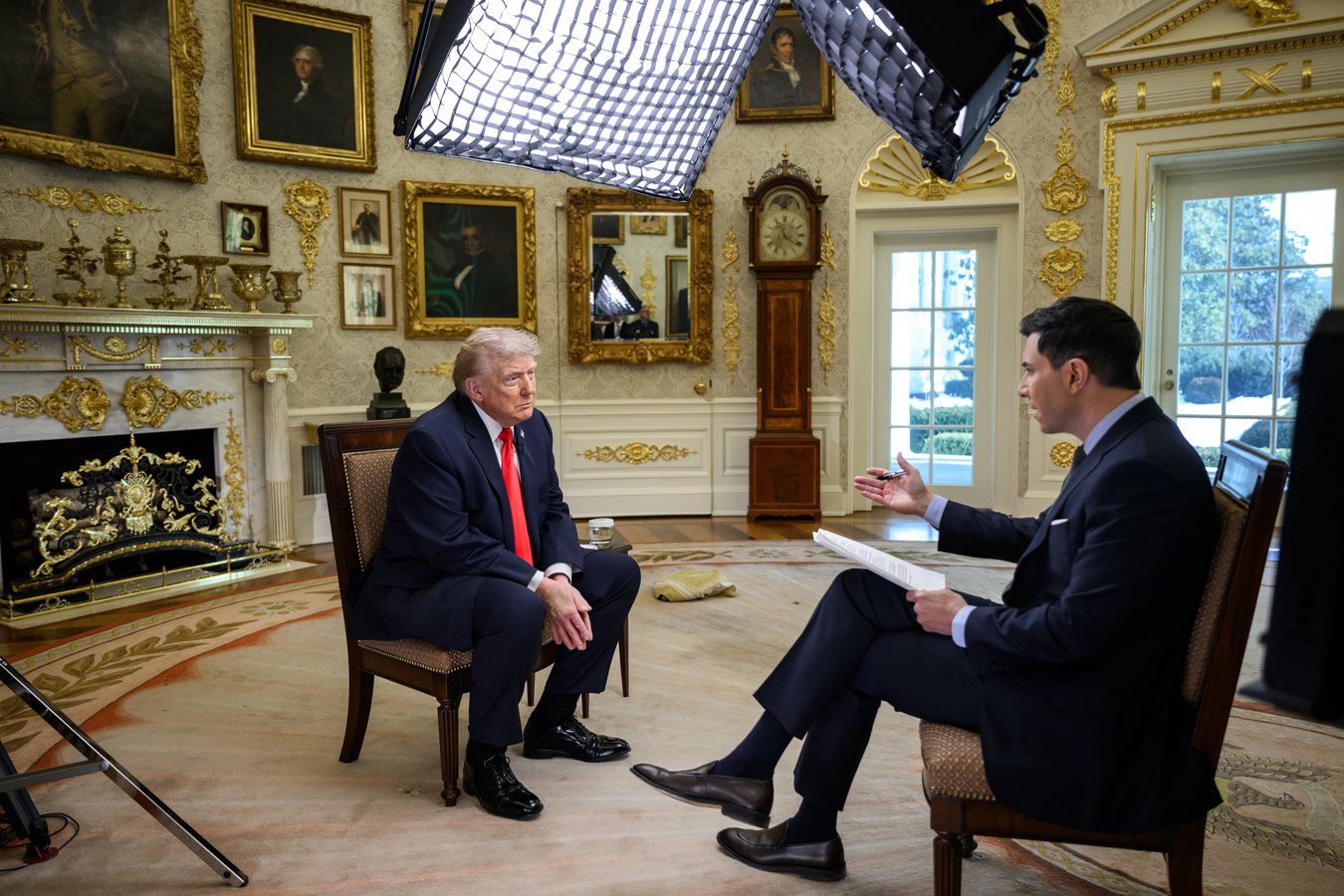
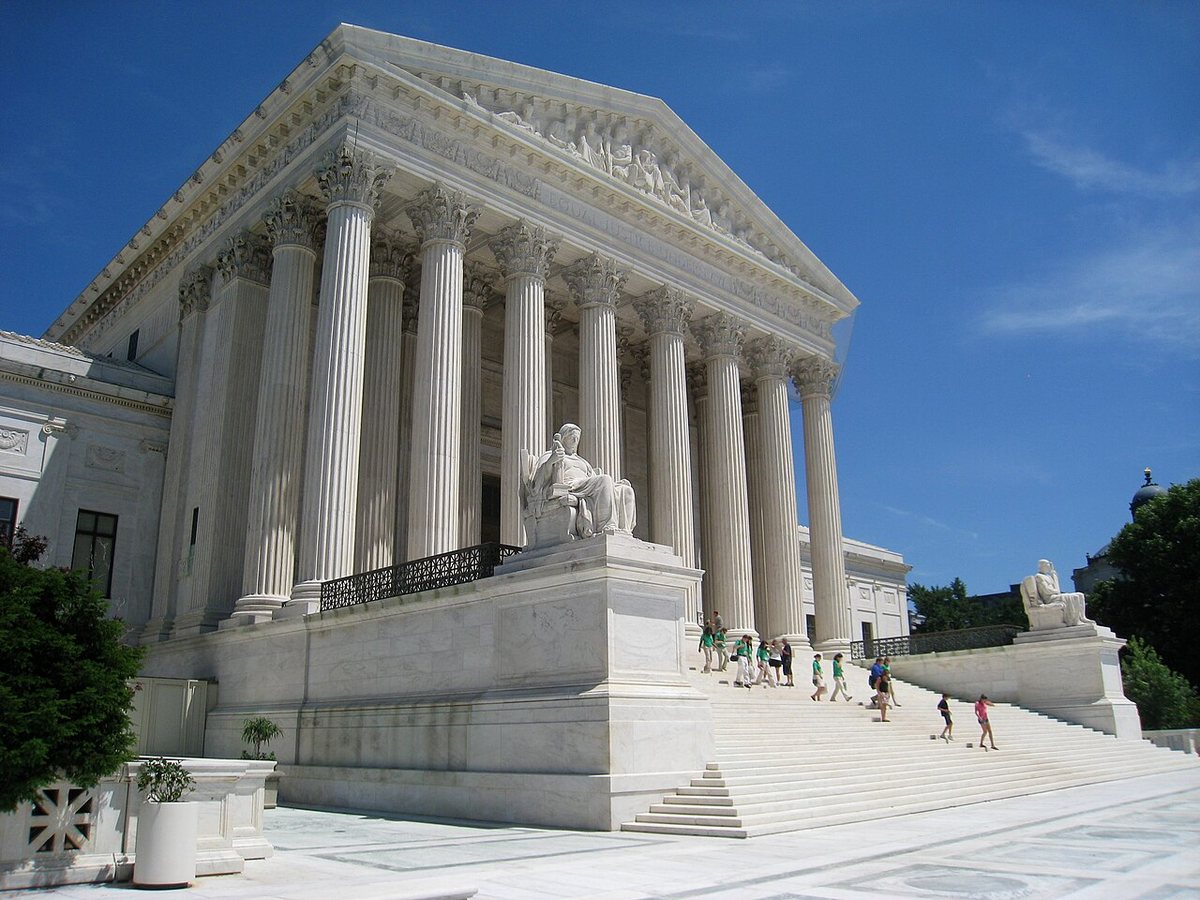
The Supreme Court’s August 24 order in Trump v. California is important, but its meaning is narrower than the political shorthand suggests. President Donald Trump’s administration won emergency relief from an injunction that had blocked parts of its mail-voting executive order. It did not win a final judgment that the order is lawful.
That distinction matters because the case sits at the intersection of three separate questions: who has authority over federal elections, when states may sue the federal government, and whether major procedural changes can be introduced only weeks before voting begins.
The Court, by a 6–3 vote, paused a Massachusetts federal judge’s injunction covering 23 states and the District of Columbia. The majority concluded that the government was likely to succeed on its argument that the states lacked standing at this stage. In practical terms, the justices viewed parts of Executive Order 14399 as directions to federal agencies rather than immediate commands imposed on the states themselves.
The order, signed March 31, tells the Department of Homeland Security to compile lists of confirmed adult citizens for the states. It directs the Justice Department to prioritize investigations and potential prosecutions involving federal ballots issued to people who are not eligible to vote. It also instructed the Postal Service to develop new rules for mail and absentee ballots, including envelope standards, tracking barcodes and state-specific participation lists.
The administration presents those measures as election-integrity safeguards. The White House says citizenship verification and tighter ballot tracking are necessary to protect confidence in federal elections. The Supreme Court’s order allows the administration to continue pursuing that program while the litigation proceeds.
But one key limit remains. A separate injunction in League of Women Voters of Massachusetts v. Trump still restricts the Postal Service from implementing part of the policy nationwide. In its final rule, USPS acknowledged the outstanding court orders and said it would not implement the new 2026 requirements unless the government obtained relief. That means Monday’s ruling does not instantly change how every voter receives or returns a ballot.
Justice Ketanji Brown Jackson’s dissent focused on the constitutional issue the majority did not resolve. She argued that the Constitution assigns the conduct of federal elections to the states and that the administration had not established a presidential power to dictate the administration of mail ballots. Her dissent treated the government’s claimed injury from the injunction as weak because, in her view, the executive branch was being stopped from doing something it had no lawful authority to do.
The calendar adds pressure. The November 3 midterms are close enough that election officials are already deep into printing, mailing and database work. Some states begin sending ballots in early September. Even if the administration ultimately prevails on more of its legal arguments, the technical work of changing ballot envelopes, data exchanges and mailing processes cannot be completed by court order alone.
Trump’s long-running criticism of mail voting also comes with an awkward personal footnote. In 2020 he voted by mail in Florida’s presidential primary and requested another mail ballot later that year. He also encouraged Florida voters to use mail voting, praising the state’s system while attacking broader mail-voting expansions elsewhere.
The useful way to read the Supreme Court’s action is therefore as a change in litigation posture, not a final answer. The administration has more room to proceed. The states have lost one protective injunction. Other restraints remain. And the central constitutional question — how far a president can go in reshaping election administration that is traditionally controlled by states and Congress — is still waiting for a final judgment.