President Trump used his address to the United Nations General Assembly on Tuesday to issue a stark warning to Iran, saying the country faces a choice between reaching a deal or being «annihilated.» The remarks, delivered before world leaders gathered in New York, marked one of the most direct threats of his U.N. appearance and immediately reshaped the day's diplomatic agenda.
Trump declared that Iran had been «the bully of the Middle East, but they are the bully no longer,» framing his administration's posture as a decisive break from what he described as years of ineffective pressure. He presented the choice as a binary: negotiate or face severe consequences. The language echoed his long-standing criticism of the nuclear agreement that preceded his presidency, though he did not outline specific terms for a new deal during the speech.
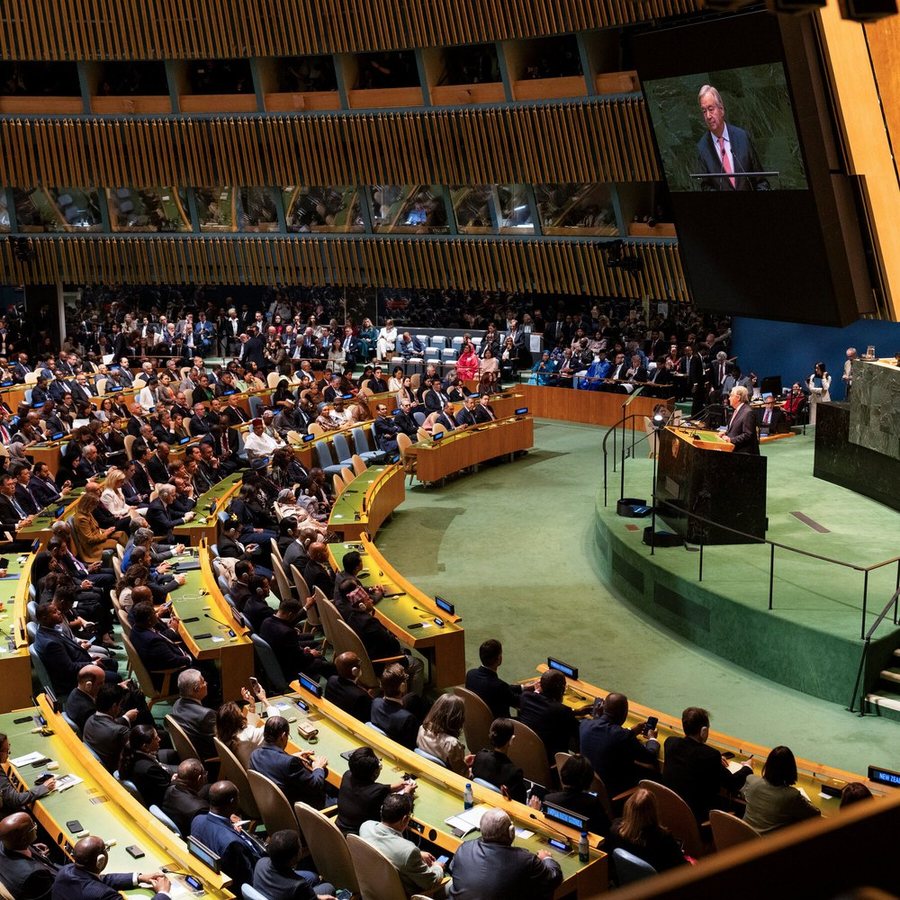
The address came after António Guterres, the U.N. secretary general, opened the General Assembly with a call for member states to end conflicts and reduce global tensions. Guterres's appeal set a somber tone for the session, contrasting with Trump's combative message on Iran. The two speeches together captured the competing impulses inside the hall: multilateral restraint versus unilateral pressure.
Trump's comments on Iran were the most closely watched portion of his remarks, given the heightened attention on Tehran's nuclear program and regional activities. By using the word «annihilate,» he raised the stakes beyond typical diplomatic warnings, signaling that military options remain on the table. The phrasing also appeared designed to project strength to both domestic and international audiences.
The speech unfolded against a backdrop of global uncertainty, with multiple conflicts demanding the Assembly's attention. Trump's decision to focus heavily on Iran reflected his preference for high-profile confrontations over the procedural diplomacy that often defines U.N. gatherings. His remarks drew immediate reactions from diplomats and observers who parsed whether the threat was literal or a negotiating tactic.
Earlier in the day, Guterres had urged leaders to step back from escalation and pursue peaceful resolutions. His message, delivered before Trump spoke, emphasized the human cost of prolonged wars and the need for collective action. The secretary general's tone stood in contrast to the president's, highlighting the divide between the U.N.'s institutional voice and the unilateral approach favored by Washington under Trump.
Trump also used the platform to reiterate his view that Iran's influence in the Middle East has diminished. He characterized the shift as a direct result of his administration's policies, though he did not provide specific evidence or detail new measures. The claim formed part of a broader narrative in which he cast himself as a leader willing to use force or the threat of it to achieve American objectives.
The General Assembly session continues with other leaders expected to address the chamber in the coming days. Iran's response to Trump's remarks was not immediately clear, but the speech is likely to intensify debate over the future of diplomacy with Tehran. For now, the president's words have set a sharp tone for the annual gathering, ensuring that Iran remains at the center of international discussion.