Nepal marked a national day of mourning Monday while rescue teams kept digging into damaged hydropower tunnels where hundreds of workers are still missing after the catastrophic August 26 floods.
Government offices lowered flags to half-staff and families completed mourning rituals on the 13th day after the disaster. The death toll has passed 1,300 across Nepal and Tibet, and about 5,000 people remain missing, including foreign nationals, according to the latest Associated Press report citing Nepal’s disaster management agency.
The rescue effort has narrowed around one of the most difficult parts of the disaster zone: 12 hydropower projects in Nepal. Authorities say roughly 900 workers connected to those sites remain unaccounted for and about 500 are believed to be inside tunnels. The estimate does not mean all of them are known to be alive or in a confirmed location. It reflects where officials and industry representatives believe many workers were when the water and debris struck.
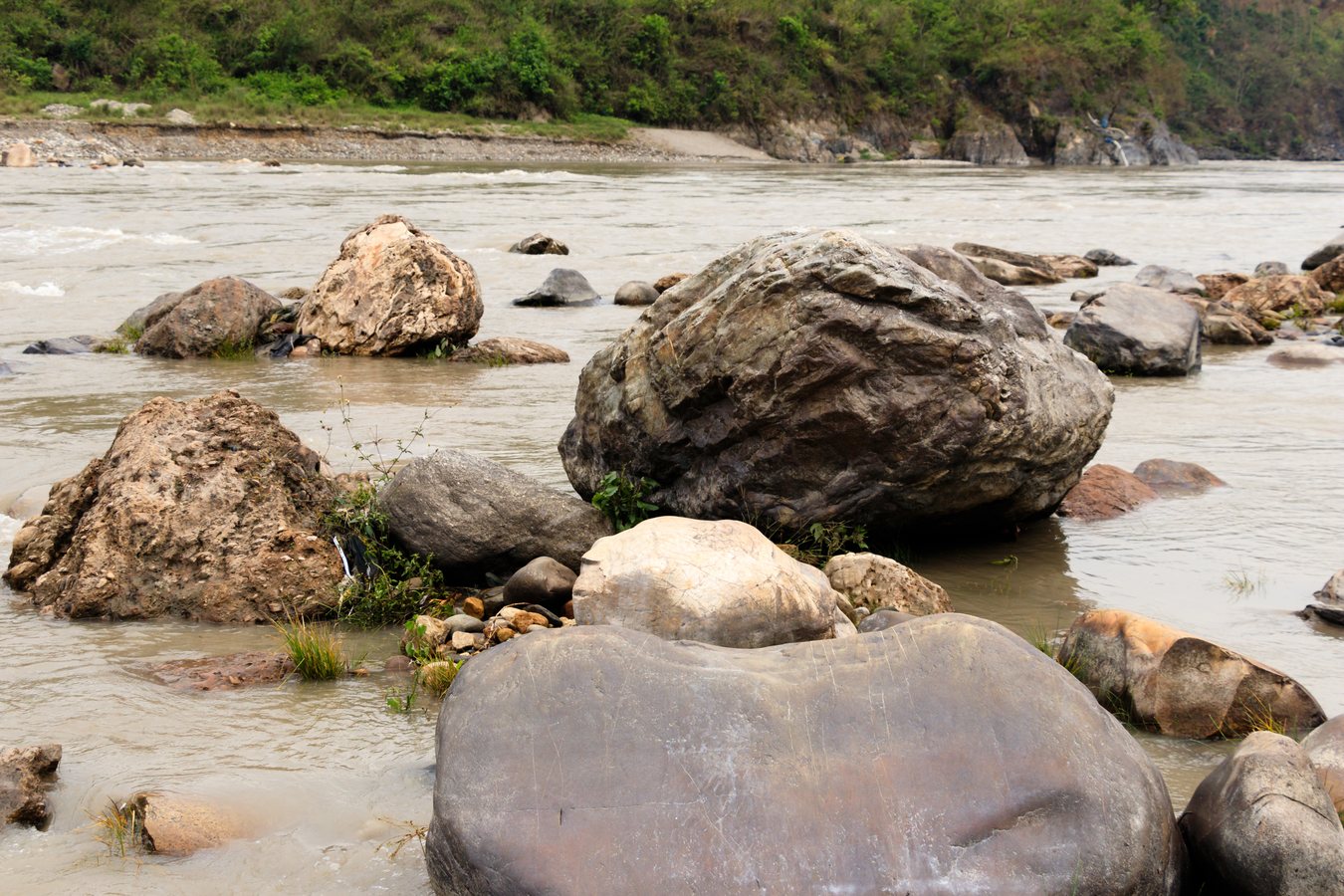
The scale of the challenge is visible in the terrain. Floodwater, mud and huge rocks damaged roads, buried buildings and blocked tunnel entrances in Rasuwa, Nuwakot and other districts. Nepal’s Foreign Ministry says the flooding caused widespread displacement and damaged bridges, hydropower facilities and other critical infrastructure along the Bhote Koshi river system.
There have been rare signs of hope. Two Nepali workers were pulled alive from the Trishuli 3A tunnel on Friday, nine days after the flood. A Chinese worker was rescued from another hydropower tunnel the following day. International teams from India, China, South Korea and the United States are assisting Nepali responders as crews try to clear entrances, drain water and move through unstable underground passages.
For families in Kathmandu, the pace of the operation has become a public issue. Relatives of missing hydropower workers gathered near the prime minister’s office and key ministries Monday, carrying photographs and demanding faster searches. Some have had no confirmed information about loved ones since August 26.
The disaster’s cause is still described with caution. Reporting indicates the floods were likely triggered by a glacier collapse in the Himalayas, but the precise chain of events is still being investigated. What is already clear is that the flood combined a high-mountain hazard with dense infrastructure and work sites in narrow river valleys, producing consequences far downstream.
Monday’s mourning rituals gave the country a formal moment to grieve, but they did not close the story for thousands of families. In predominantly Hindu Nepal, the 13th day traditionally ends a period of mourning. For relatives whose loved ones are still missing, there is no such certainty. Some have held symbolic funerals because bodies have not been recovered.
The next phase depends on access. Rescue teams must keep opening roads and tunnels without triggering further collapses, while authorities try to account for workers, displaced residents and foreign visitors. After nearly two weeks, every successful rescue now carries enormous weight — both for the people brought out alive and for the families still waiting outside the disaster zone.