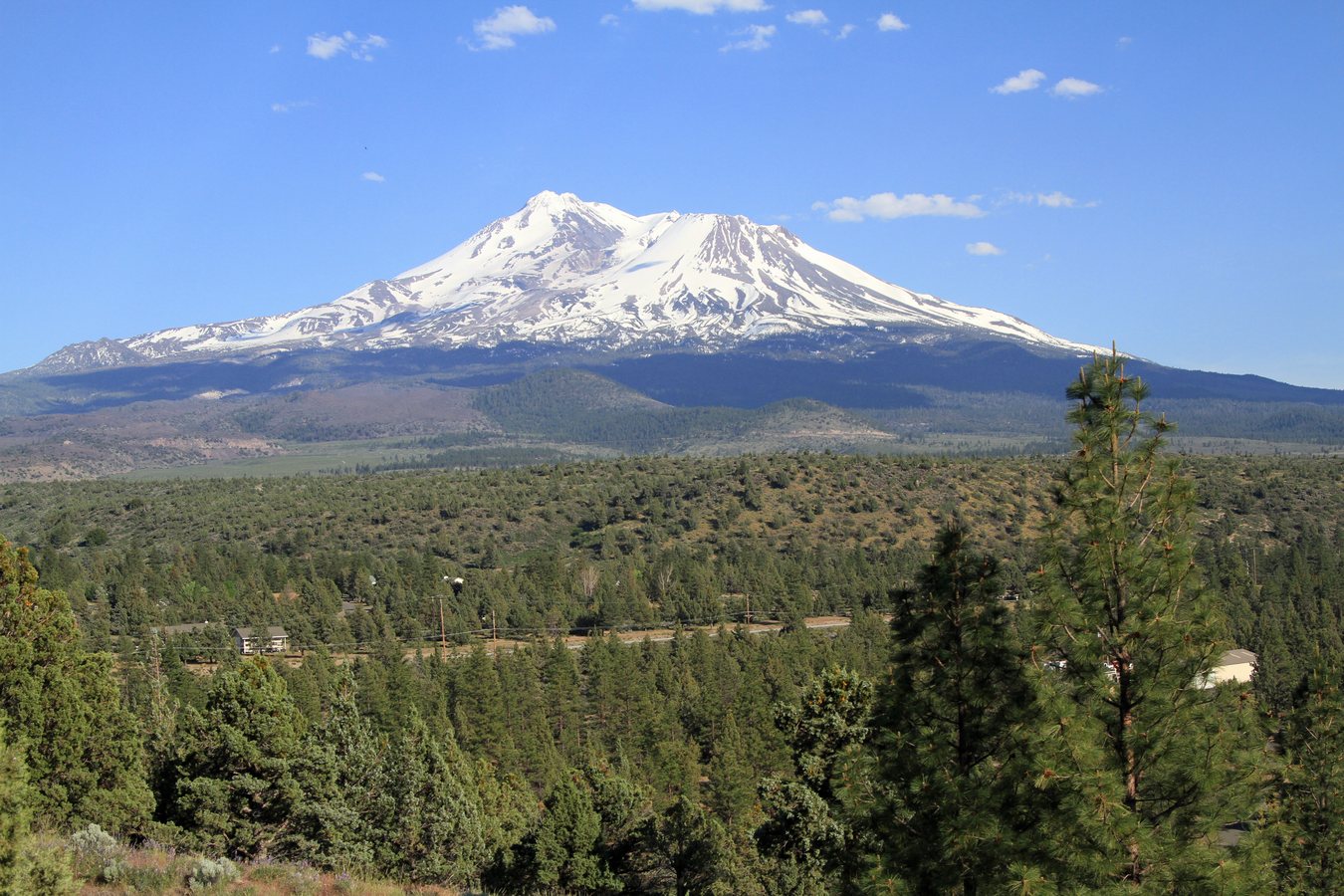
Artificial intelligence is becoming a default travel companion: ask it what to pack, where to go, how long the trip will take and what route looks easiest. On Mount Shasta, that habit collided with a mountain that did not care how tidy the itinerary looked.
Three novice climbers from Roseville, California, used artificial intelligence heavily while planning a summit attempt over the final weekend of August. They built the trip around an expected eight-hour ascent and carried food and water for that kind of day. The actual climb took far longer.
The men made camp around 8,400 feet on Aug. 29 and started toward the summit at about 3 a.m. the next morning. Mount Shasta’s local guidance tells climbers to turn around around noon if they are not already at the top. That deadline came and went.
The group kept climbing and finally reached the summit at about 7 p.m. Then came the part that social media summit shots rarely capture: getting back down. They began their descent in darkness, and about an hour later called Siskiyou County dispatchers for directions.
They eventually wandered off the Clear Creek route into Mud Creek Canyon. One climber fell and hurt his knee. With the group stuck in steep terrain, the three spent the night there until U.S. Forest Service climbing rangers reached them the next morning. County search-and-rescue volunteers helped with the operation, and everyone made it back to the trailhead.
Afterward, the climbers told a deputy that they had leaned heavily on artificial intelligence for route information and their packing list. The sheriff’s office called that a critical mistake because the system had recommended much less food and water than they needed once the planned eight-hour climb turned into a multi-day ordeal.
There was another very modern failure in the chain. According to the San Francisco Chronicle, the phone the group was using for navigation died, and a backup power bank failed. The climbers later said they had relied too much on artificial intelligence instead of their own critical thinking.
The story is easy to turn into a joke about people asking a chatbot how to climb a 14,000-foot mountain. The more interesting point is that the behavior is already ordinary. People use the same interface for restaurant lists, breakup texts, homework, travel itineraries and medical questions. The screen does not visually change when the stakes do.
Mount Shasta’s Clear Creek route is considered the easiest nontechnical way up, but official guidance says it is still a long, exposed climb. Going off route can put a climber into much more dangerous terrain, and the local avalanche center tells people to set a hard turnaround time and carry multiple ways to navigate.
That makes the takeaway less “never use AI” and more “know when the answer needs a second authority.” A weekend itinerary can be flexible. A mountain plan needs margins: extra food, extra water, backup navigation, emergency layers and the willingness to turn around even when the summit is still above you.
The three climbers got home. Their trip is now a warning about what happens when the most convenient adviser in your pocket starts feeling like the most authoritative one too.