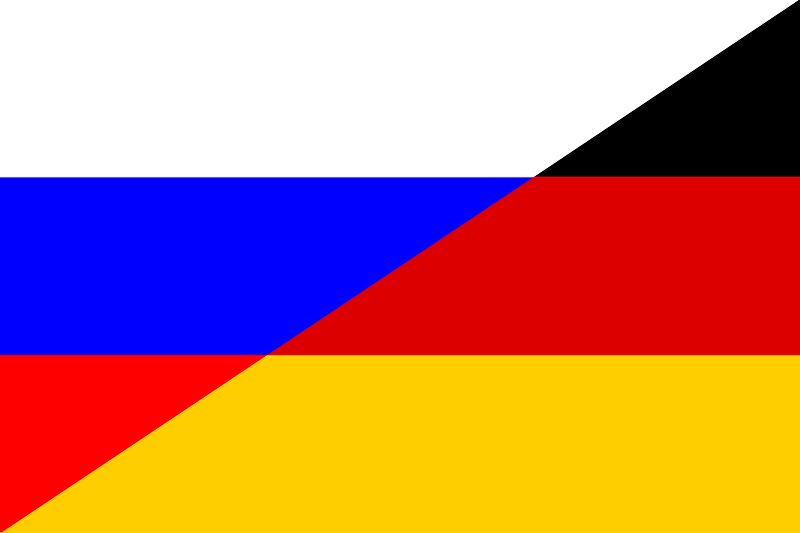
Russia has ordered Germany’s Consulate General in St Petersburg to cease operations no later than 18 September, matching the deadline Berlin set for the closure of Russia’s consulate in Bonn. All staff at the German post are to leave Russia by the same date, the Russian Foreign Ministry said on 7 September.
The response extends beyond conventional diplomacy. Moscow also ordered German Goethe cultural centres in Russia to stop operating, with posted staff required to leave by 13 September. Diplomatic notes setting out the measures were handed to Germany’s chargé d’affaires in Moscow.
The sequence has the structure of a reciprocal dismantling. On 1 September, Germany announced that the Russian Consulate General in Bonn would lose permission to operate from 18 September. Berlin also moved to end the bilateral agreement governing Russian-German cultural and information centres, a decision that affects the Russian House in the German capital. The Bonn consulate stopped receiving applicants soon after the announcement rather than waiting for the final date.
Yet reciprocity describes only the mechanism, not the cause. Germany says its measures are a security response to an incident at Leipzig/Halle airport involving a drone associated with explosives. The German government attributes responsibility to Russian state structures and places the episode within a broader pattern of hybrid activity against Germany. Moscow rejects the allegation, calling it unfounded. The two governments are therefore acting from incompatible accounts of the same security event.
The closures matter because the bilateral network had already been stripped down. In 2023 Russia imposed a ceiling on personnel working for German diplomatic missions and organisations. Berlin responded by shutting its consulates general in Kaliningrad, Yekaterinburg and Novosibirsk, leaving the embassy in Moscow and the consulate in St Petersburg. Germany also required Russia to reduce its own network to the embassy in Berlin and one consulate general. Bonn became that remaining consular post.
Three years later, the two surviving outposts are being removed almost simultaneously. The result is a diplomatic map increasingly organised around capitals rather than regional nodes. That does not amount to a break in diplomatic relations: Russian Deputy Foreign Minister Alexander Grushko said on 2 September that severing relations was not then under discussion, although he did not rule out a further downgrade.
For consular users, the practical effect in Russia is narrower than the headline might initially suggest in one respect. Germany has already centralised visa decisions in Moscow. Since 1 June 2023, the visa section of the German embassy has been responsible for visa matters across Russia. St Petersburg nevertheless remained significant for other consular and legal services and for German citizens in a large district covering St Petersburg and much of north-western Russia.
That distinction illustrates what is being lost. The current confrontation is not merely shutting visa counters. It removes standing institutions that handle documents, assist nationals, maintain local government contacts and provide an official presence far from the capital. The parallel closure of cultural centres reduces another layer of contact that had continued even as political ties deteriorated.
The episode also has a regional security dimension. Poland summoned the Russian ambassador on 3 September in solidarity with Germany and in disagreement with Moscow’s actions. The gesture shows that the dispute around Leipzig is being read by neighbouring states not simply as a bilateral quarrel, but within the wider European debate over Russian hybrid operations and collective responses.
The remaining relationship will now depend more heavily on the embassies in Berlin and Moscow. If they continue to function as stable channels, crisis management and formal diplomacy remain possible. If the dispute produces further restrictions on diplomats, sanctions or cultural organisations, September’s consular closures may prove to be another step in a broader conversion of the German-Russian relationship from limited engagement to tightly managed confrontation.