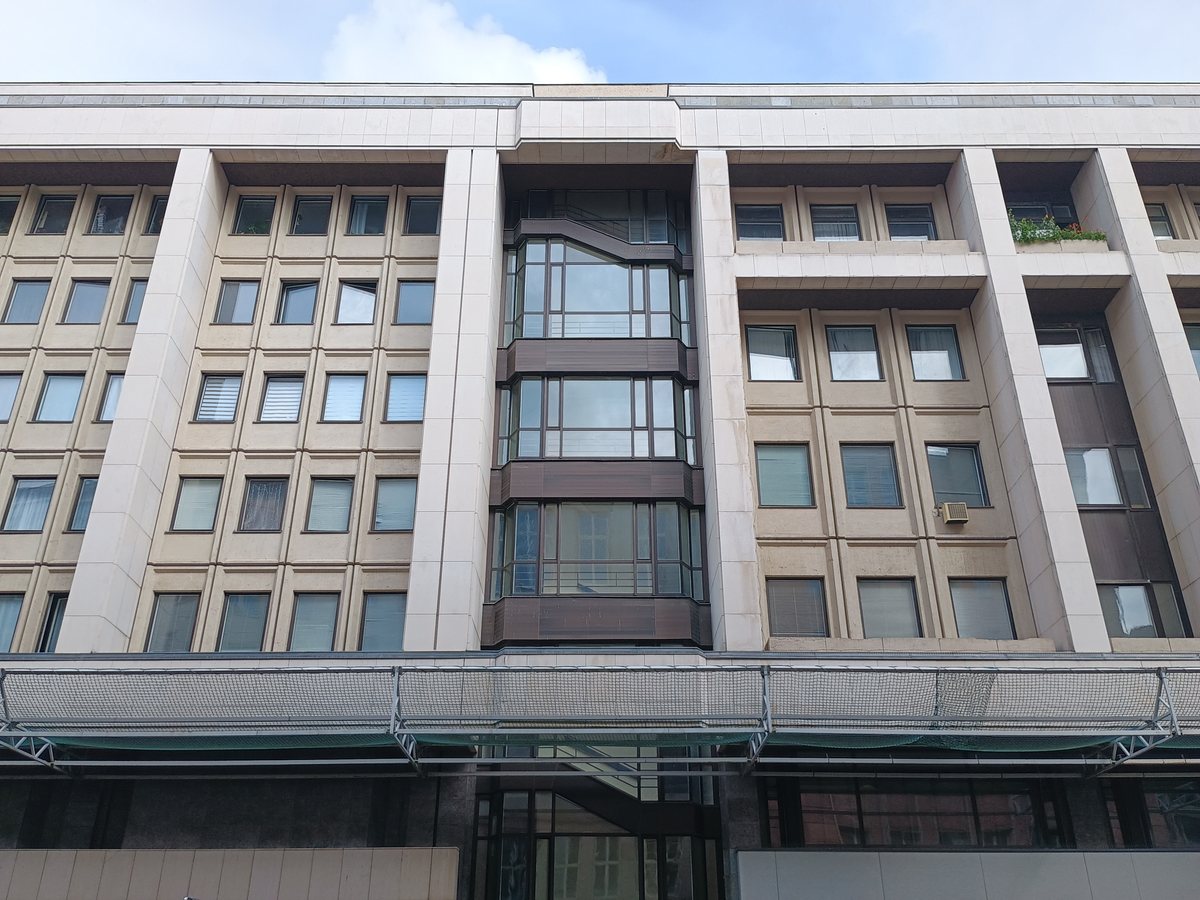
Russian Foreign Minister Sergey Lavrov escalated Moscow’s rhetoric toward Germany on Sunday, describing Berlin’s accusations and diplomatic measures as “the beginning of a real war.” He cited the planned closure of Russia’s consulate general in Bonn and Germany’s move against the Russian House in Berlin. Lavrov also compared the current situation to diplomatic closures before World War II and said Germans “want war again.”
The statement is not a declaration of war. Russia has made no formal move declaring war on Germany, and Germany says it is not at war with Russia. The German government says the country is instead facing daily hybrid warfare — sabotage, espionage, cyberattacks and influence operations that remain below the threshold of a conventional military assault. That distinction is central to how NATO members are trying to respond to hostile acts without treating each incident as the start of an armed conflict.
The latest dispute follows an August 4 incident at Leipzig/Halle Airport. German authorities accuse Russia of orchestrating an attempt to use an explosive-equipped drone near a Ukrainian transport aircraft. Moscow denies responsibility. Germany has not released every piece of evidence gathered in the investigation, saying details involving suspected individuals, travel routes, video footage and DNA traces are being withheld to protect the case.
Berlin has taken concrete retaliatory steps. The Russian consulate general in Bonn is scheduled to close September 18, and Germany has terminated the agreement associated with the Russian House in Berlin. The government also plans tighter entry controls for Russian nationals, new proposals for European Union sanctions and increased pressure on Russia’s shadow fleet. German officials describe the package as proportionate and say their goal is to avoid uncontrolled escalation.
The confrontation also intersects directly with the war in Ukraine. The alleged sabotage effort involved a Ukrainian aircraft, while Germany says it will continue supporting Ukraine and coordinate its response with the European Union and NATO. That makes the Leipzig case a broader alliance issue involving the protection of transportation networks, military logistics and civilian infrastructure used to sustain support for Kyiv.
Russia has announced reciprocal pressure, including the closure of Goethe-Institut branches in Moscow, St. Petersburg and Yekaterinburg. But the Kremlin has also said it wants diplomatic relations with Germany to remain intact. Embassies are still operating, and the two governments have not severed diplomatic ties. The immediate question is whether the next round remains confined to diplomatic restrictions and sanctions or whether new incidents push the confrontation into a more dangerous phase.