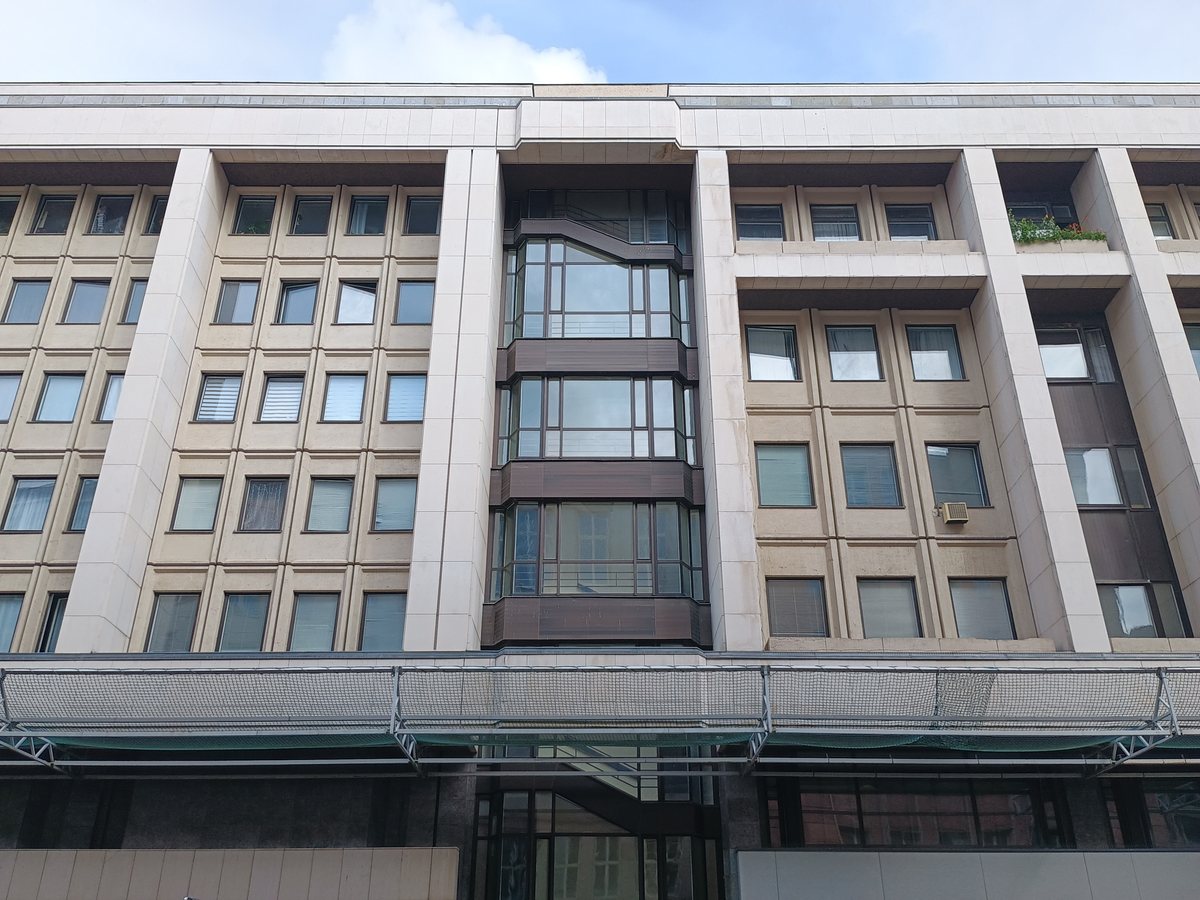
Russian Foreign Minister Sergey Lavrov said Germany’s accusations against Moscow and the measures Berlin has taken in response amount to “the beginning of a real war,” escalating the language around an already serious security dispute. In an interview released September 6, Lavrov pointed to the planned closure of Russia’s consulate general in Bonn and action against the Russian House in Berlin. He also invoked diplomatic closures before World War II and accused Germans of wanting war again.
Despite the striking words, Russia has not declared war on Germany. The German government also says explicitly that Germany is not at war. Berlin instead describes the country as a daily target of hybrid warfare, a category that includes sabotage, espionage, cyberattacks and influence operations that remain below the threshold of a conventional military attack. In practical terms, the dispute is an escalating diplomatic and security confrontation rather than a new interstate war.
The immediate trigger was an August 4 incident at Leipzig/Halle Airport. Germany says Russia was behind an attempt to use an explosive-equipped drone near a Ukrainian transport aircraft. Moscow denies the accusation. German officials have not released every piece of evidence, saying that names, travel routes, video and DNA traces remain protected because disclosing them could damage an ongoing investigation.
Berlin has nevertheless imposed a significant package of measures. The Russian consulate general in Bonn is due to close on September 18. Germany has terminated the agreement connected to the Russian House in Berlin. It also plans tighter entry controls for Russian nationals, additional EU sanctions listings and more pressure on Russia’s so-called shadow fleet, which has helped sustain energy exports despite Western restrictions. German officials say the response is proportionate and not intended to provoke uncontrolled escalation.
Ukraine is central to the dispute. The alleged drone plot involved a Ukrainian aircraft, and Germany says its military and political support for Kyiv will continue. Berlin is coordinating with the European Union and NATO, making the case part of a larger allied effort to protect airports, logistics hubs and other critical infrastructure from covert disruption. For the United States, the issue also touches on the credibility of NATO deterrence below the threshold of an armed attack.
Moscow has begun retaliating, announcing the closure of Goethe-Institut branches in Moscow, St. Petersburg and Yekaterinburg. At the same time, the Kremlin says it wants diplomatic relations with Germany to continue. That combination captures the current state of affairs: cultural and consular ties are shrinking, sanctions are expanding and rhetoric is hardening, but embassies remain open and no formal war exists. The next phase will depend on the Leipzig investigation, further European sanctions and whether Russia keeps its response within diplomatic channels or turns to new forms of pressure.