Western governments have spent the past four years trying to remove Russian leverage from the nuclear fuel cycle. The harder problem may be one stage further upstream. A new analysis by the Centre for Strategic Advantage argues that Russia’s influence over uranium mining is already much larger than the 4.5% of world output physically extracted on Russian territory, and could reach about 36% by 2040.
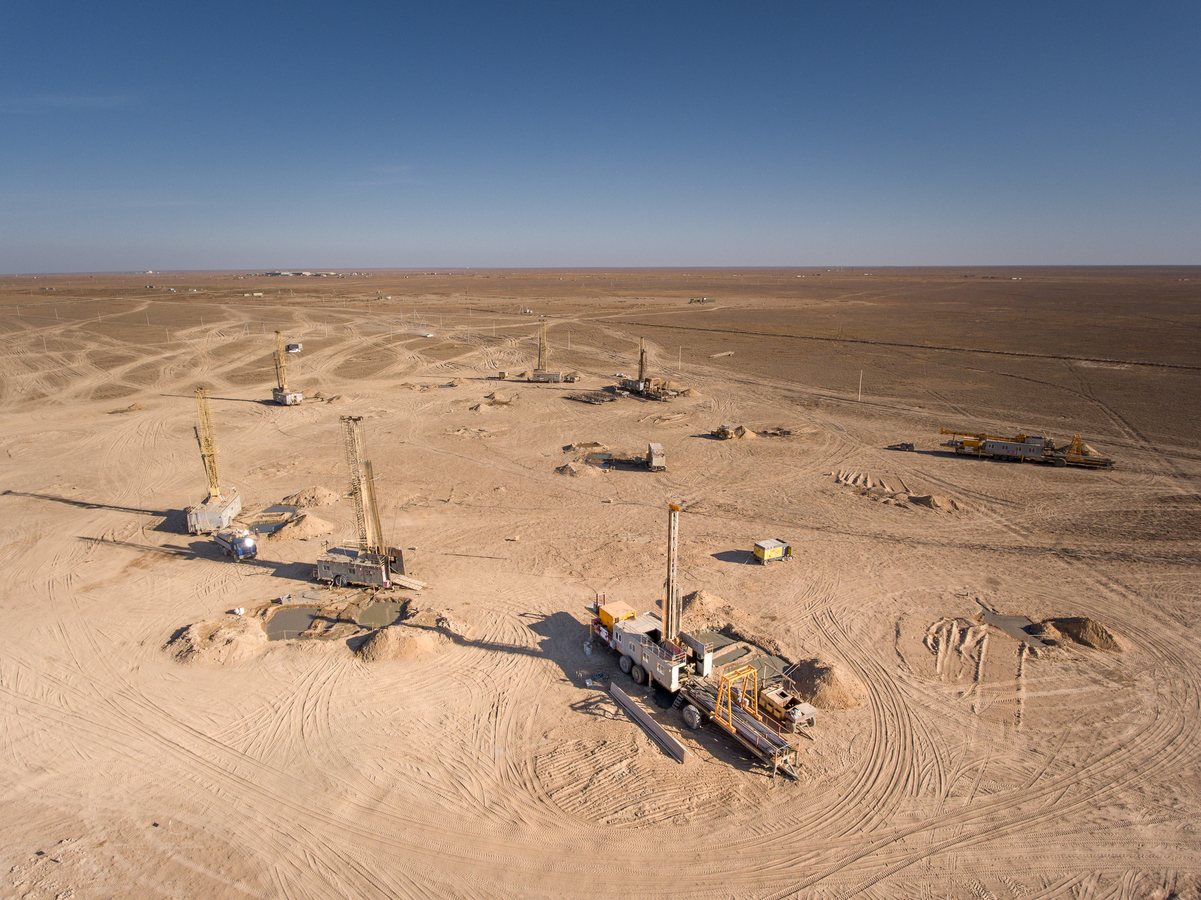
The mechanism is corporate rather than geological. Russia produced 2,738 tonnes of uranium domestically in 2024, according to World Nuclear Association data. But Rosatom subsidiary Uranium One holds interests in mines abroad, especially in Kazakhstan. Kazakhstan itself supplied 23,270 tonnes, nearly two-fifths of the global market. Uranium One’s foreign output was 5,829 tonnes in 2024, largely from joint ventures with Kazatomprom. A country-of-origin table calls those tonnes Kazakh; a control-based map sees Russian state influence embedded in the ownership structure.
That difference is commercially important because uranium is not a fungible spot commodity in the same way as oil. Utilities contract years ahead, mines take long periods to permit and build, and each reactor’s fuel must pass through conversion, enrichment and fabrication. A supplier with positions across several stages can gain influence even without dominating any single national production statistic.
CSA’s 36% figure is conditional. It assumes that agreed, developing and prospective projects progress and operate at expected capacity. Africa is central to that upside scenario, but the status of individual assets must be kept straight. Mkuju River in Tanzania is a development project where a pilot processing plant began operating in July 2025; it is not yet a full commercial mine. In Namibia, Uranium One is exploring the Aranos Basin. In Niger, the company signed a memorandum with state-owned TNUC in December 2025 that covers permits, exploration and potential future mines. None of those facts supports saying that Rosatom currently produces uranium in all three countries.
The West has moved faster on enrichment. The United States banned most Russian low-enriched uranium imports from August 2024, with limited waivers available only through early 2028, and has allocated roughly $2.7 billion to domestic conversion and enrichment expansion. The European Commission is also pursuing a phaseout through REPowerEU. Yet Brussels acknowledges that replacement capacity is tight and that Russian enriched uranium and fuel were still entering the EU in significant quantities in 2025.
This creates a sequencing problem. New Western enrichment capacity can reduce dependence on Rosatom’s processing services, but it does not automatically diversify the mines supplying natural uranium. If Russian-linked companies strengthen positions in Kazakhstan and gain new projects in Africa, the supply chain could simply shift the point at which concentration occurs.
There is nothing predetermined about that outcome. Kazakhstan can change partnership terms, African governments can choose different investors, and new producers can emerge. CSA’s scenario is best read as a capital-allocation warning: the countries seeking nuclear autonomy need to finance mines, conversion and enrichment together. Treating those as separate policy files risks rebuilding the middle of the chain while leaving the beginning concentrated in the same strategic orbit.